Song Meaning
This song paints a vivid picture of Huế, a city steeped in history and romance. The lyrics immediately ground us by the "Hương Giang" river, with mentions of "Nam Bình" and the "Thành cao" (high citadel) covered in mist. The dominant tone is one of gentle nostalgia and romantic longing, evoked through sensory details like the sound of "khoan hò" (folk singing) and the sight of a "tà áo tím" (purple áo dài) that outshines even the "ngàn hoa" (thousand flowers).
The central tension lies in the bittersweet experience of distance from this beloved place. The narrator, though physically away, feels a deep connection, hearing the "tiếng lòng" (voice of the heart) and feeling the "tình hương Ngự" (fragrance of the Perfume River) gently waiting. This longing is amplified by the recurring imagery of a boatman's song and a lover's embrace beneath coconut trees, creating a sense of intimate, almost dreamlike romance that is now experienced only in memory or imagination.
The craft here is in the evocative sensory language and the subtle weaving of place and emotion. The phrase "hương Bình" itself, referring to the scent of the Bình An countryside, becomes synonymous with the romantic atmosphere and the allure of the "cố đô" (ancient capital). The repetition of the chorus, with its tender image of hair on a shoulder and a dreamlike state under a "bài thơ" (poem), solidifies the feeling of a cherished, almost ethereal memory. The contrast between the "rêu phong mờ" (moss-covered, hazy) ancient city and the vibrant, romantic present the narrator recalls is key to the song's melancholic beauty.
Ultimately, the lyrics resonate because they capture a specific, yet universally understood, ache for a place that holds deep personal significance and romantic associations. The gentle, flowing language mirrors the "lững lờ" (leisurely) flow of the Hương Giang, inviting the listener into a world of soft breezes, fragrant scents, and whispered affections. It’s this carefully constructed atmosphere of romantic nostalgia, anchored in specific Huế imagery, that makes the song so affecting.
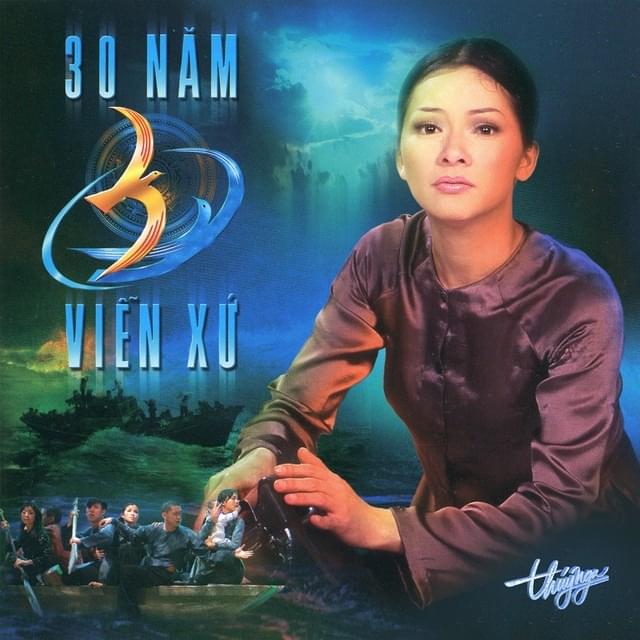
 View Artist