Song Meaning
Hoagy Carmichael's "Baltimore Oriole" is a deceptively simple song, animated by longing and a surprising undercurrent of melancholy. The surface narrative—a bird fleeing winter's harsh grip, only to be betrayed in warmer climes—serves as an affecting allegory for human relationships gone astray. But the song meaning goes deeper than avian infidelity; it's about the specific ache of missing someone whose very presence defines "home." The initial image of the Baltimore oriole, shivering in "forty below," immediately establishes a sense of vulnerability and desperation, a primal urge to escape inhospitable conditions. This resonates with our own flight impulses when faced with emotional coldness or hardship. The oriole's journey south to the "Tangipaho" (likely a romanticized, exoticized locale) mirrors the human tendency to seek solace in new environments, new relationships, only to potentially encounter further heartbreak.
The introduction of the "two timin jaybird" throws the idyllic escape into sharp relief. The oriole, initially seeking warmth and companionship, falls prey to deception. But Carmichael doesn't demonize her. Instead, he acknowledges the universality of mistakes: "Forgivin' is easy / It's a woman like, now and then / Could happen to thing." This line, with its slightly awkward phrasing, adds to the song's disarming honesty. It's not about blame, but about the messy, unpredictable nature of love and loss. The core of the song lies in the repeated plea: "Send her back home / Home ain't home without her warbling." This isn't just about a physical space; it's about the emotional void left by the oriole's absence. Her "warbling" represents a unique, irreplaceable quality that brings joy and completion to the speaker's life.
The final lines, "Baltimore oriole / Come down from that bough / Fly to your daddy now," carry a poignant weight. There's a paternal tenderness in the speaker's voice, a yearning for reconciliation and a return to a state of emotional harmony. The "bough" could symbolize a precarious, uncertain situation, an unstable perch in the wake of betrayal. The invitation to "fly to your daddy now" suggests a desire for comfort, protection, and unconditional love. "Baltimore Oriole" is thus less a song about a bird, and more a meditation on the fragility of relationships, the enduring power of forgiveness, and the profound sense of loss that accompanies the absence of a beloved presence.
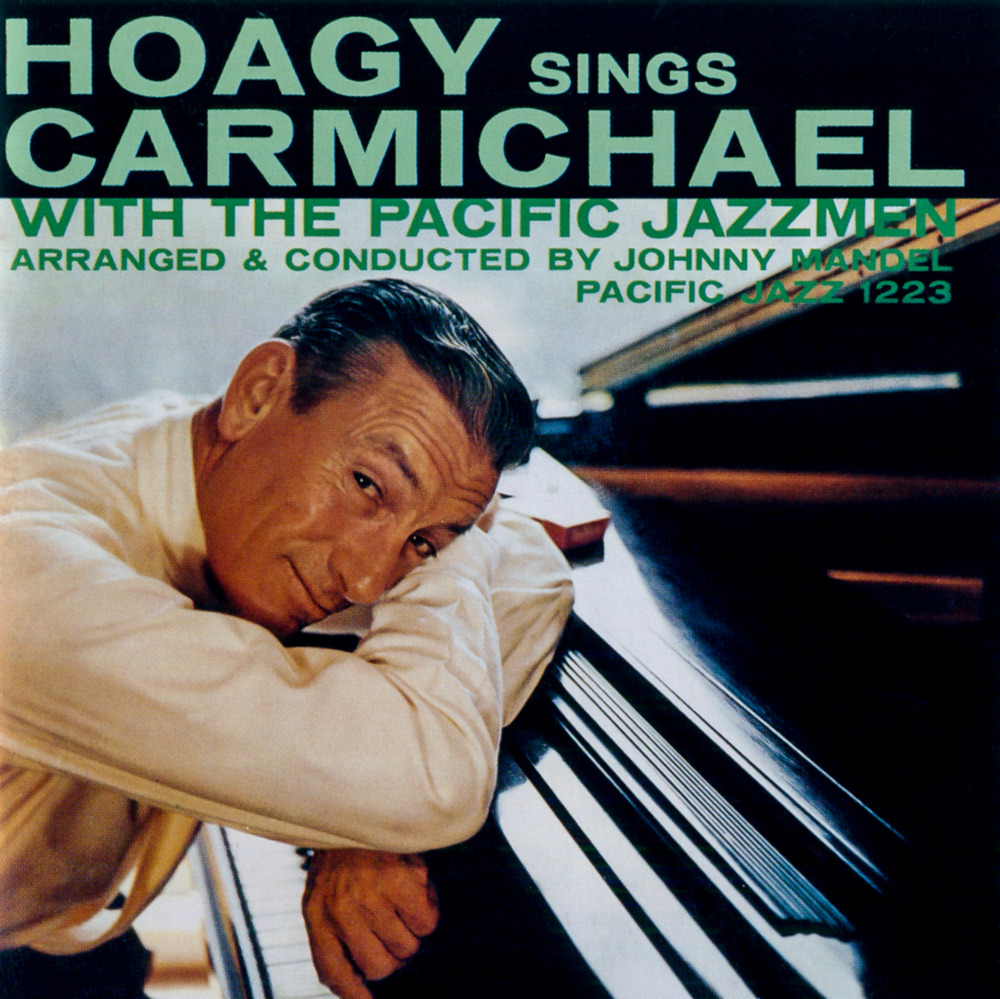
 View Artist