Song Meaning
This isn't your typical morning hymn. The lyrics immediately blast awake a "rotted Christian" with a cynical command to embrace their "sinful life" and reveal their "villainy." It’s a jarring, almost perverse call to action, suggesting that true divine reward comes not from piety, but from embracing one's basest nature. The narrator seems to be mocking the very idea of religious salvation, framing it as a transaction for the wicked.
The central tension lies in this twisted theology. The narrator urges the listener to "sell your brother, you scoundrel" and "pawn your wife, you wretch," painting a picture of extreme betrayal and moral decay. This isn't about redemption; it's about profiting from sin, with the promise of divine retribution only arriving at the "Last Judgment." It flips the script on traditional religious morality, implying that the divine is either indifferent or complicit in earthly corruption.
The most striking craft element is the relentless, almost gleeful invocation of sin and betrayal, juxtaposed with the supposed promise of divine recompense. Phrases like "The Lord will then give it to you" and the sarcastic question, "The Lord God, for you he is air?" highlight a profound disillusionment. The lyrics employ a harsh, accusatory tone, using insults like "scoundrel" and "wretch" to directly confront the listener, creating a sense of aggressive, dark humor.
This piece hits hard because it weaponizes religious language against itself. It forces a confrontation with hypocrisy, suggesting that the pursuit of divine favor can be a cover for the most depraved acts. The raw, unflinching portrayal of corruption, coupled with the ironic promise of divine justice, creates a potent and unsettling commentary on faith and human nature.
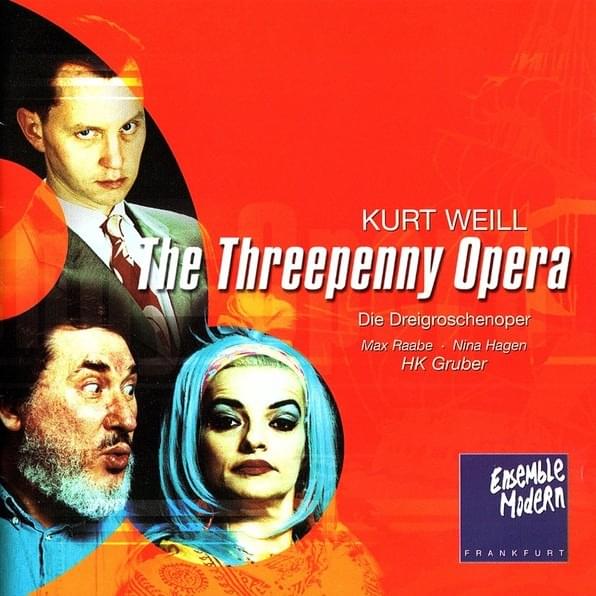
 View Artist