Song Meaning
The lyrics paint a picture of someone lost in the pace of the city, questioning if a small adjustment could alter their path. There's a palpable sense of regret for not speaking up sooner, for not embracing vulnerability, which seems to have hindered progress. The narrator reflects on a moment of freedom, walking with a clean white shirt and wind in their hair, looking at the sky, suggesting a release from past burdens and a newfound belief that it's not too late to reach for a brighter future.
The core tension lies between the feeling of being stuck and the dawning realization of possibility. The narrator grapples with the idea that the "long road" that doesn't go as planned is precisely where one finds "many shining things." This suggests a shift in perspective, moving from frustration with detours to an appreciation for the unexpected discoveries they bring. The question of "what if we had the courage to give up" hints at a past struggle, but the present moment offers a chance to redefine that narrative.
A striking image is the "white shirt, washed and faded," paired with "wind blowing through hair" while looking at the "blue, clear sky." This evokes a sense of simple liberation and a shedding of past constraints. The repeated phrase "look, now it's not too late" and "look, now my hand can reach" emphasizes a crucial turning point, where the future, once distant, feels tangible. The lyrics suggest that embracing one's own "light," even if small, and holding onto the "wounded heart's wings," is the key to moving forward into an "endless sky."
Ultimately, the effectiveness of these lyrics stems from their grounded depiction of internal struggle and eventual hope. The writing doesn't offer easy answers but instead focuses on the process of self-discovery and the quiet strength found in accepting one's past while actively reaching for what's next. The imagery of the sky and the wind creates a sense of expansive possibility, making the narrator's newfound optimism feel earned and resonant.
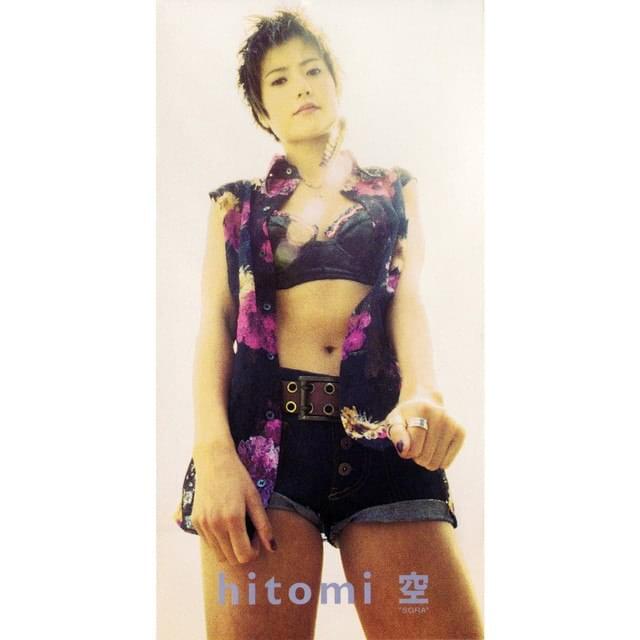
 View Artist