Song Meaning
The lyrics of "Mahogany Dread" open with a defiant acceptance of change: "I can't go back, I know that now / But who said I wanted to?" The speaker recounts a decisive break, having "cut my hair and I rode away," a moment initially perceived as bright, yet immediately undercut by the admission, "I maybe told myself a lie."
This initial self-deception sets up a central tension between the desire for a fresh start and the inescapable weight of the past. The line "The dead are here, they never go away" suggests an enduring presence of memory or consequence, which the speaker has learned to live with. This acceptance extends to the paradoxical nature of love, where "The misery of love is a funny thing," implying a strange resilience or even a masochistic comfort found in enduring pain.
A powerful craft element is the repeated admission of self-deception, evolving from "I maybe told myself a lie" to "I maybe told a couple lies." This growing awareness of untruths is poignantly linked to a "baby girl" who "The more she knows / The more she cries," suggesting the painful impact of these revelations on innocence. The speaker grapples with control, questioning, "Do you think it's up to me?" in a relationship where "reins laid bare" are desired.
The lyrics culminate in the evocative image of "Mahogany dread," a phrase that seems to encapsulate the deep, perhaps inherited, burdens of family life with "A couple of kids." This heavy, resonant feeling is then met with a final, almost wistful declaration: "But happy days are still ahead." This ending provides a fragile, yet determined, note of hope, acknowledging the profound anxieties while striving for optimism in the face of life's enduring complexities.
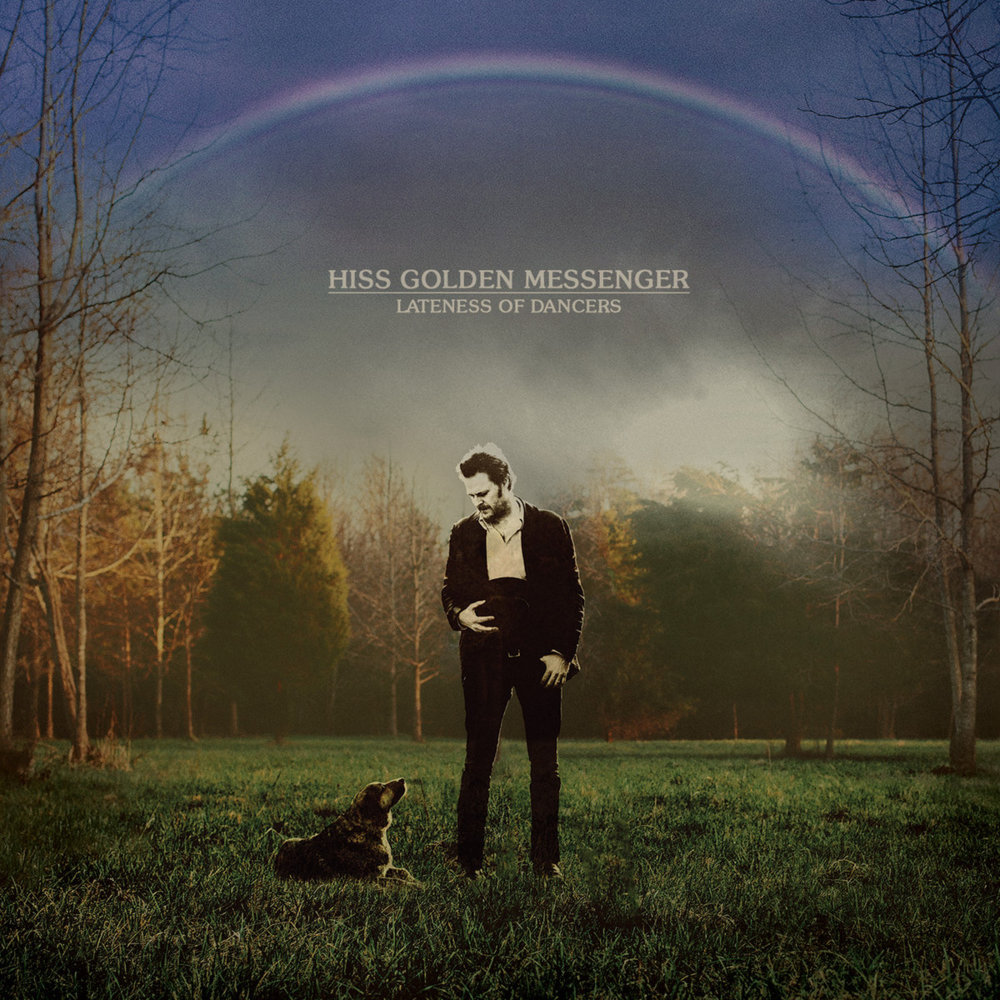
 View Artist