Song Meaning
This live rendition of "囍帖街" captures a profound sense of impermanence, framing personal loss within the decay of a once-vibrant neighborhood. The opening lines immediately set a tone of forced acceptance, urging the listener to "forget the flowers sown" and "give up ideals." The imagery of a "dusty wedding invitation" and the impending need to "move house" grounds this abstract feeling in a concrete, relatable scenario of displacement. The lyrics suggest that even the most cherished memories and physical spaces are subject to inevitable change and eventual demolition.
The central tension lies in the contrast between past ideals of permanence and the harsh reality of their dissolution. The street, once "called the most beautiful in the world," is now being taken over by "crows," a stark visual metaphor for decay and ruin. This mirrors the personal heartbreak, questioning if "loved ones don't last a lifetime." The song grapples with the pain of realizing that promises of forever, whether in love or in place, are fragile and often temporary, leading to a forced, yet necessary, "潇洒" (elegance/grace) in the face of loss.
The most striking craft element is the recurring motif of the wedding invitation, which transforms from a symbol of hopeful commitment to a relic of a past that must be dismantled. The "gold foil" print of "that person" from the "initial wedding invitation" is juxtaposed with the act of "taking down the wedding photo wall." This highlights how deeply intertwined personal relationships are with the physical spaces they inhabit, and how the destruction of one necessitates the erasure of the other. The lyrics also employ a cyclical structure, with refrains like "forget the flowers sown" and "forget the one who was loved," reinforcing the theme of letting go.
Ultimately, the effectiveness of these lyrics stems from their unflinching honesty about the transient nature of happiness and security. By linking the demolition of a street to the breakdown of personal relationships, the song creates a powerful emotional resonance. The repeated question, "Does love last a lifetime?" followed by the resigned "Is it useful to regret?" underscores the painful wisdom gained from experience. The final plea to "please let go of the key in your hand" serves as a poignant, direct command to embrace this difficult acceptance and move forward, even when it feels like everything is being taken away.
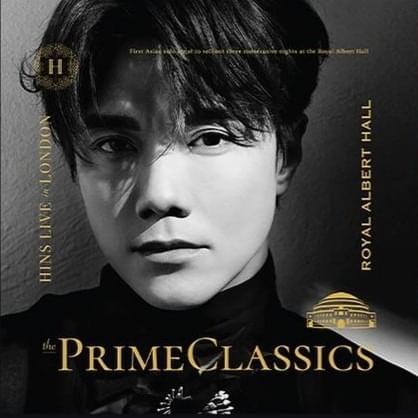
 View Artist