Song Meaning
These lyrics open with a poignant farewell to an old house, detailing its worn features like a collapsed wall corner and a rusty doorknob that "旋轉著舊夢像老歌" (spins old dreams like an old song). The speaker observes the "舊木地舊日踏過" (old wooden floor, once trodden), imbuing the physical space with a deep sense of history and personal connection. It's a scene steeped in quiet nostalgia, marking a departure from a place that feels intimately familiar.
The central tension here lies in the stark contrast between human impermanence and the enduring nature of the house itself. The speaker admits to having "一生遷徙太多" (moved too much in life), blurring the memory of other "過客" (passersby). This house, however, stands as a silent witness, seeing "人來人往過" (people come and go). The lyrics powerfully state, "帶走傢俬帶不走的家居鋪滿過去" (take away furniture, but can't take away the home filled with the past), highlighting how memories and history are inextricably woven into the fabric of a place, far beyond its material possessions.
The lyrics achieve a profound emotional resonance through the personification of the house, particularly its walls. The speaker addresses them directly, urging, "牆若有知別怕經過變遷色衰粉褪" (If walls have consciousness, don't be afraid of change, fading color, peeling paint). This transforms the structure into a sentient being, a repository of shared experiences that gracefully ages. It's a comforting gesture, acknowledging the house's silent role as a keeper of stories, suggesting its "歷史感是沖洗不去" (sense of history cannot be washed away).
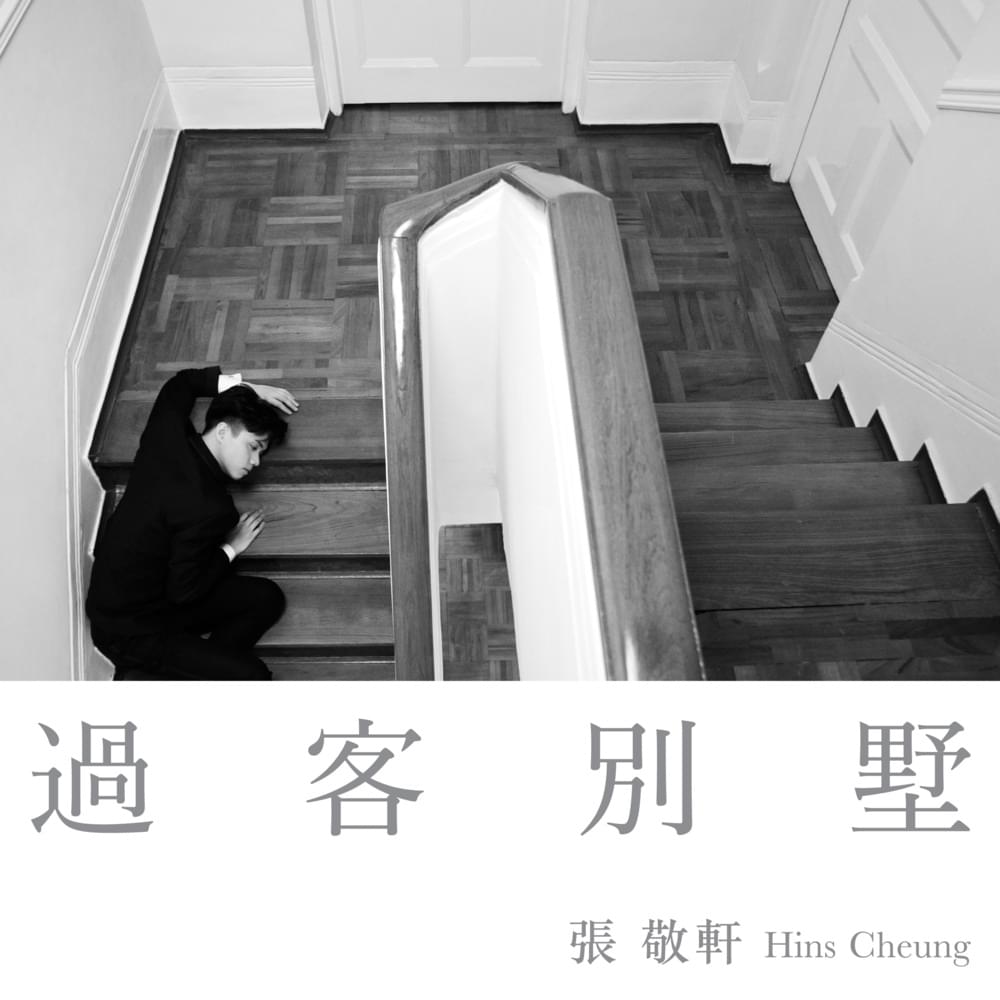
Ultimately, these lyrics are effective because they elevate a simple act of moving into a profound meditation on home, memory, and the human condition. The final, almost rhetorical question, "而你卻 為何叫別墅" (But you, why are you called a villa?), subtly critiques the grandiosity of the title. It suggests that whether a grand villa or a humble dwelling, a home's true purpose is to offer a place of rest and to quietly absorb the lives of its temporary inhabitants, making it a powerful reflection on what truly constitutes a home.
 View Artist