Song Meaning
The lyrics paint a picture of someone offering unconditional, almost self-sacrificing devotion, hoping it will be enough to earn love. The narrator repeatedly proposes hypothetical scenarios where they would absorb all the pain, conflict, and anxiety in a relationship, even suggesting they'd disappear if it brought peace. This intense desire to be the sole focus of their partner's attention and comfort is presented as a core tenet of their affection, as seen in lines like "If you're uneasy, tell me honestly" and the extreme offer, "If disappearing makes you less angry / I can hide away to a deserted island."
However, this overwhelming dedication is met with a stark realization of its futility. The narrator understands that despite their efforts, their partner's world remains separate, and their hard work doesn't garner affection. The repeated phrase "原来奉献多多少少依然徒劳" (Turns out devotion, more or less, is still in vain) underscores this central conflict. It suggests a profound disconnect where the narrator's concept of love and care is fundamentally at odds with what their partner values or reciprocates.
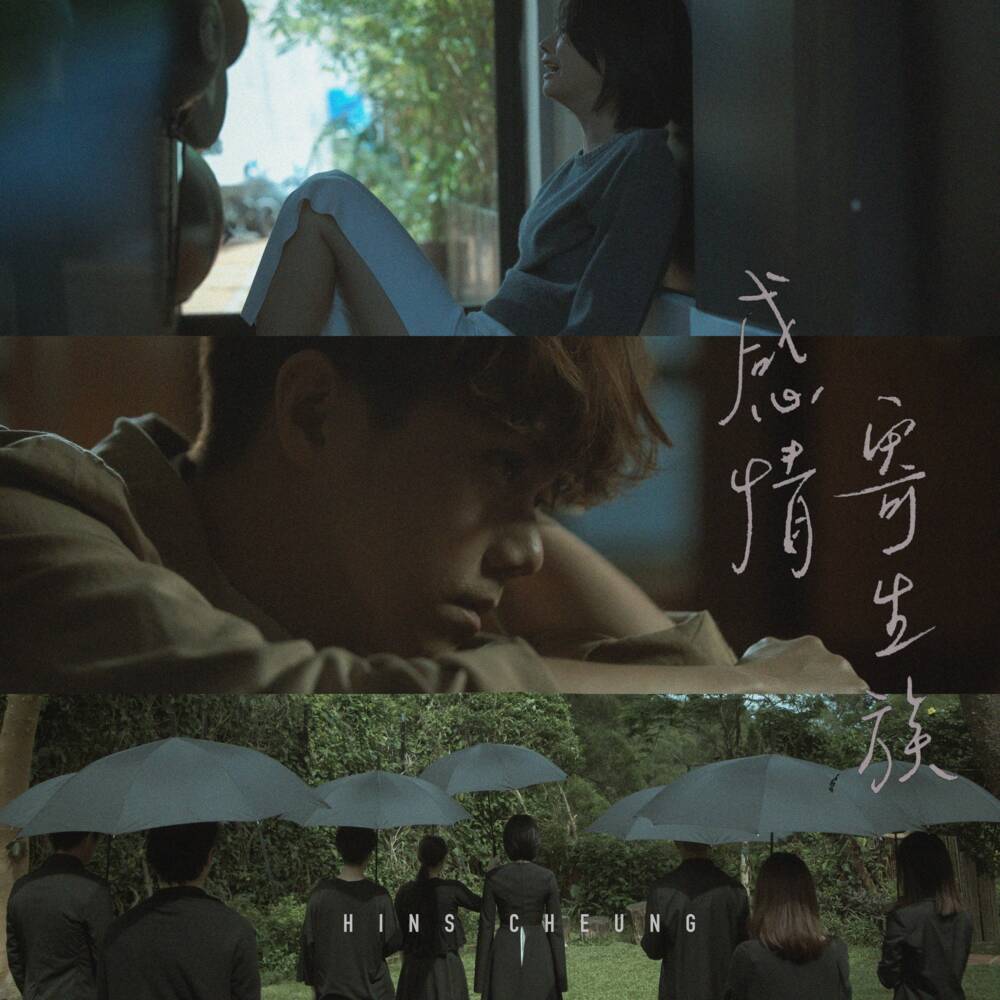
The most striking aspect is the narrator's self-awareness of their role, labeling themselves a "寄生族" (parasite) in the emotional realm. They acknowledge that their worth and existence seem tied to the partner's needs, stating, "As long as you exist, I will be fine." Yet, this parasitic existence doesn't lead to love, but rather to a painful awareness of being "多此一舉" (doing something unnecessary) and deserving of embarrassment. The lyrics highlight the cruel irony of being a "good person" who struggles to be loved, suggesting that perhaps being too accommodating or selfless makes one unlovable.
Ultimately, the effectiveness of these lyrics lies in their raw portrayal of unrequited devotion and the painful self-discovery that follows. The narrator's journey from offering everything to recognizing the emptiness of their efforts is deeply resonant. The repeated chorus hammers home the feeling of being stuck in a cycle of giving without receiving, where their "goodness" ultimately turns to dust, leaving them with the lingering question of how to be loved when their very nature seems to preclude it.
 View Artist