Song Meaning
The lyrics paint a vivid picture of a deliberate withdrawal from the overwhelming sensory input of life, aiming for a state of clarity and transparency. The repeated use of "白" (white/blank) establishes a core motif, suggesting a desire to strip away the non-essential, like "white daydreams" and "white scenery," to pause time itself. This initial stage seems to involve a passive acceptance, "white suffering then white happiness," before actively burying emotions "like petals." The narrator is seeking a form of evolution through retreat, a concept echoed in the line "picking chrysanthemums under the East hedge, advancing by retreating."
The central tension arises from the act of "drawing" versus the act of "leaving blank." The narrator depicts a relentless cycle of "drawing day, drawing night, drawing scars," suggesting an obsessive, perhaps painful, engagement with experiences. This is contrasted with the repeated action of "throwing down the paintbrush" and "leaving blank" for one's state of mind, scenery, or even the sky. The lyrics propose that true progress, or "evolution towards transparency," comes not from constant creation or depiction, but from intentionally clearing the canvas.
A striking element is the juxtaposition of vibrant, even chaotic imagery with the pervasive theme of whiteness and blankness. The "white egrets, white hitting white crows" and the "white flowers" under a "white day, white night" create a visual paradox. This suggests that even within a pursuit of emptiness, the world remains full of distinct, sometimes jarring, elements. The question "good or ugly, clearly distinguished, right?" hints at a potential loss of discernment or a deliberate sidestepping of judgment in the pursuit of a "blank" state.
Ultimately, these lyrics resonate because they articulate a profound human impulse to find peace not through more engagement, but through intentional disengagement. The act of "leaving blank" is presented as a powerful, almost spiritual, practice for achieving a purer, more boundless existence. The final questions, "Can the world be pure?" and "Can the world be boundless?" leave the listener contemplating whether this state of blankness is truly attainable or a perpetual, aspirational goal.
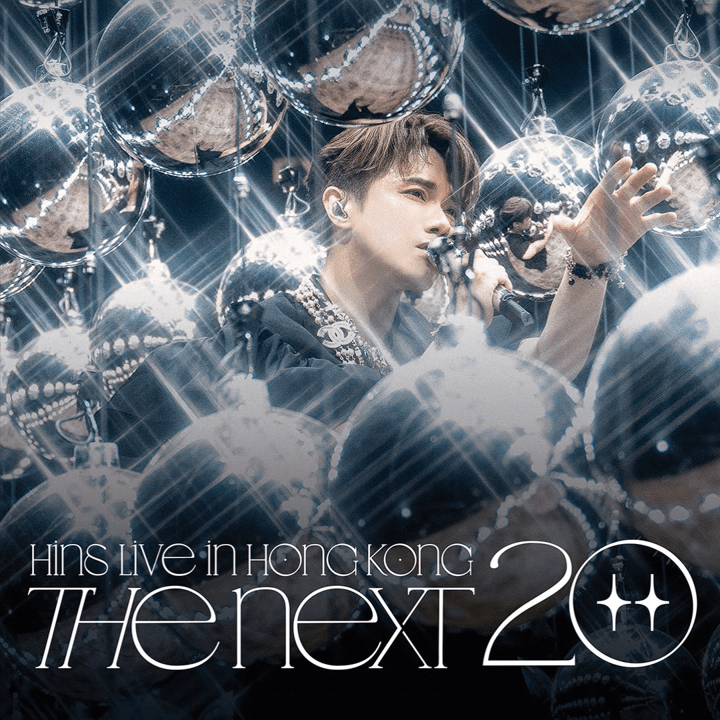
 View Artist