Song Meaning
The lyrics paint a stark picture of a relationship's final moments, beginning with a disturbing embrace of emptiness. The narrator actively "kiss[es] the void" and "crawl[s] straight into its heart," a visceral image of self-destruction. This act of disowning what they "adore" suggests a painful resignation, a desire for the end to arrive quickly, even praying to hear a "serpent song" – a seductive, dangerous melody that promises oblivion. The dominant tone is one of morbid fascination with the death of love.
The central tension lies in the paradoxical nature of love's demise. The chorus reveals that this ending isn't a sudden, clean break, but a "violently soothing and warm" kiss, a contradiction that highlights the insidious way affection erodes. This initial, deceptive intimacy is where the narrator feels their own life force draining away, echoing the sentiment "When love starts to die, so do I." The repetition of this line emphasizes a profound, personal devastation tied directly to the relationship's decay.
The bridge offers a particularly sharp, unsettling image: "Your words tickle / Like angel's wings clipped." This juxtaposition of a gentle sensation with the violent imagery of broken, useless wings creates a sense of profound loss and helplessness. The narrator's words are no longer life-giving or beautiful; they are a source of discomfort, a reminder of something once divine that has been rendered inert and painful. It’s a subtle but devastating detail that underscores the decay of connection.
Ultimately, these lyrics resonate because they capture the quiet, internal horror of watching something precious die. The narrator isn't just observing; they are participating in their own dissolution, finding a perverse comfort in the finality. The song's power comes from its unflinching portrayal of this self-inflicted wound, where the end of love is not just an external event but an internal annihilation, a slow, warm, and deeply personal death.
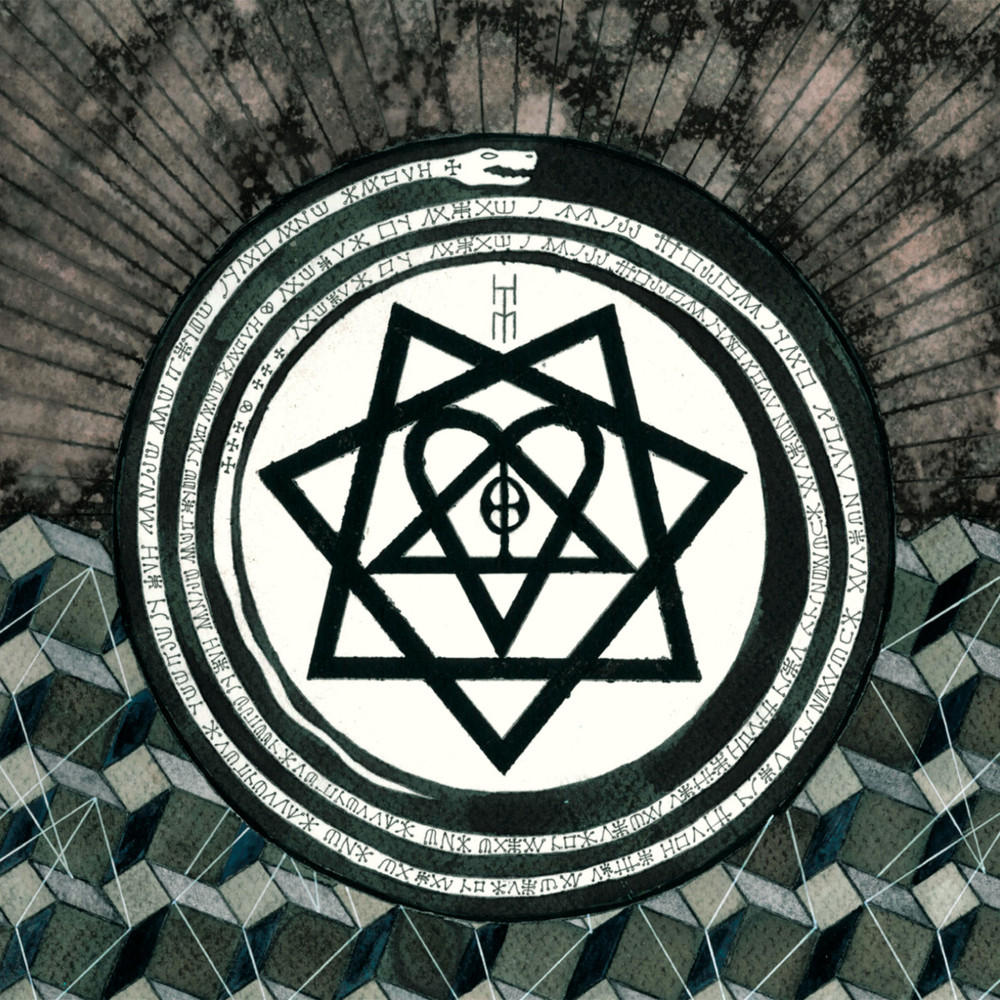
 View Artist