Song Meaning
This track paints a stark picture of a love that’s both all-consuming and deeply flawed. The narrator opens with a heavy admission: "On my heart, I'll bear the shame," immediately signaling a profound internal struggle that transcends simple regret. This isn't just about a bad breakup; it's about carrying a burden, a deep-seated guilt that "no prayer can ease." The verses establish a tone of inescapable consequence, where "countless mistakes" and fading trust are presented as immutable facts, not temporary setbacks.
The central tension lies in the repeated, almost desperate assertion of the chorus: "No one will love you the way I do." This phrase functions on two levels. On one hand, it’s a possessive claim, a declaration of unique devotion. On the other, given the verses’ bleak outlook, it carries an undercurrent of threat or pity, suggesting that the love offered is perhaps the only love the recipient will ever receive, precisely because of the narrator's own perceived failings. The repetition hammers home this complex mix of pride and despair.
The most striking aspect is the sheer, unyielding finality of the language. Phrases like "no escape" and "never be the same" create a sense of a closed loop, a narrative trap from which the narrator and the subject of the song cannot break free. The post-chorus, a cascade of fading "Love you like I do," feels less like an affirmation and more like an echo, a ghost of the sentiment losing its power with each repetition. It’s the sound of a love that knows its own limitations, its own destructive potential, yet clings to its own intensity.
Ultimately, the lyrics resonate because they capture the painful paradox of a love that is intensely felt but deeply damaging. The narrator’s self-awareness of their shame and mistakes, coupled with the unwavering insistence on their unique love, creates a potent emotional cocktail. It’s the sound of someone who believes their flawed love is the only real love, a conviction born from a place of profound personal pain and perhaps, a touch of self-destruction.
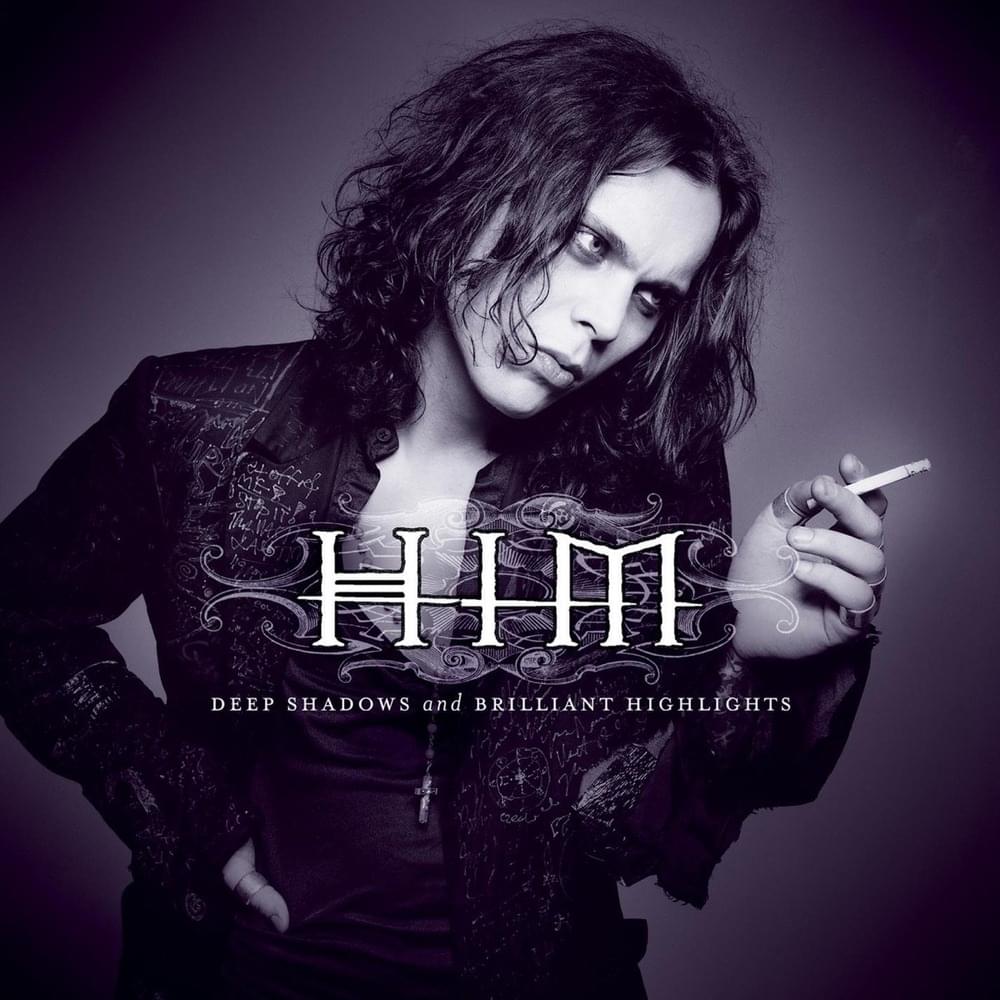
 View Artist