Song Meaning
The lyrics immediately plunge into a scene of stark emotional contrast. A woman waits "jede Nacht" for a man known to "alle Frau'n." He often arrives with others, leaving her to weep. His cruel indifference is laid bare: "Ich hab geweint um ihn, er hat gelacht."
Despite this pain, the central tension emerges in the repeated declaration: "Er war nie ein Kavalier." He's explicitly not a gentleman, especially "bei den Damen." Yet, the speaker reveals this fundamental flaw "darauf kam's nicht an" – it simply didn't matter to her. This creates a powerful emotional conflict, as her suffering is acknowledged but seemingly overridden by a deeper, unspoken draw.
The craft shines in the paradoxical resolution of this tension. The repeated assertion "Er war nie ein Kavalier" sets up an expectation, only for the lyrics to subvert it with "Doch dafür war er ein Mann." This isn't just a statement of gender; it suggests a raw, perhaps charismatic or powerful essence that transcends conventional notions of chivalry. His "manhood" becomes the very quality that makes his lack of gentility irrelevant, even appealing.
The lyrics effectively paint a portrait of a magnetic, yet deeply flawed individual, whose mysterious origins ("wusste keiner," "unbekannt") only add to his allure. Whispers of him being a "Baron und von und zu" from a "fremdem Land" further mystify him, making his unconventional nature almost exotic. This creates a compelling, if unsettling, depiction of an attraction that defies logic and social norms, rooted in a fascination with something untamed and enigmatic.
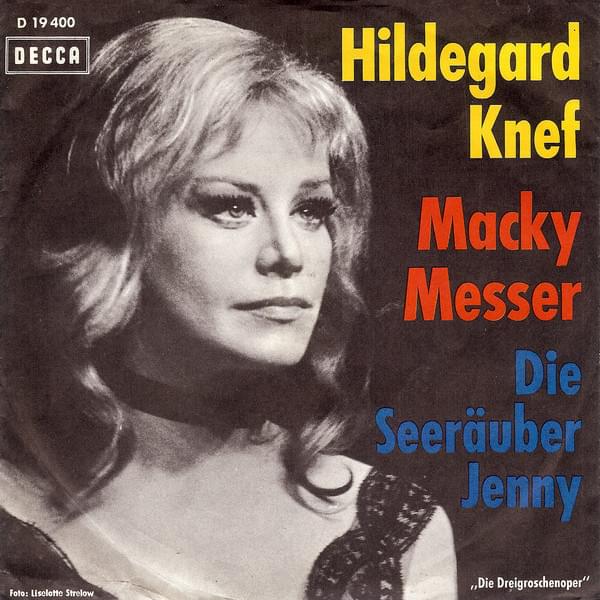
 View Artist