Song Meaning
The narrator wakes up transformed, their skin becoming quills they use to write missing folklore. This transformation stems from a desire to avoid judgment, a resolve to "don't look up to anyone / So they cannot look back down on me." This self-imposed isolation is a deliberate choice, a way to control perception and prevent vulnerability.
The core tension lies in the narrator's forced self-reliance and the subsequent commodification of their experience. They describe "spoon-fed façades" and a choice between "love" and "home," ultimately opting for a solitary path. This leads to a paradoxical state where their freedom is framed as "free range game for your license to feel," suggesting their personal struggles become entertainment or sustenance for others.
The most striking imagery is the transformation into quills, a tool for creation born from a defensive posture. The narrator then describes mounting their own "smile" like a trophy, a chilling image of self-exploitation. The final lines, "The last of my giving is the last for a while / But I'll smile / And I'll think / Why can't it always be Spring?" reveal a deep weariness beneath the forced composure, a longing for a time of effortless growth and renewal.
This writing is effective because it captures a specific kind of defiant self-preservation that curdles into a public spectacle. The narrator crafts their own narrative, but the act of writing and presenting it becomes a sacrifice. The contrast between the internal desire for autonomy and the external consumption of their "trophy life" creates a powerful, unsettling emotional resonance.
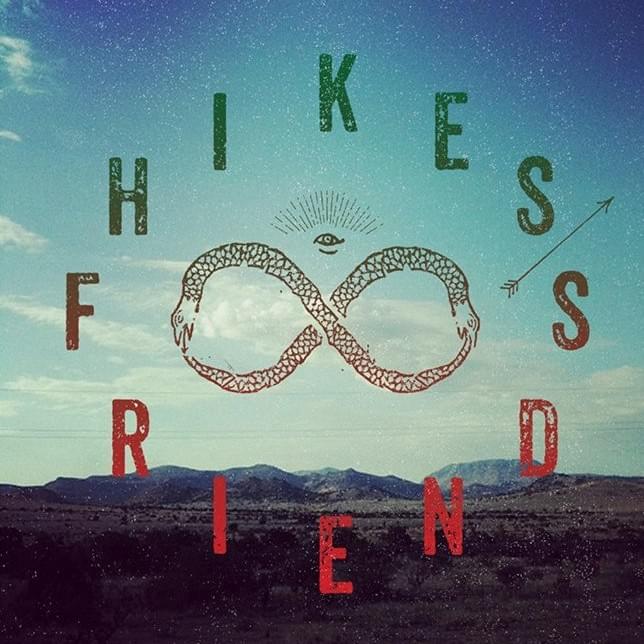
 View Artist