Song Meaning
The lyrics paint a vivid picture of a harvest festival, starting with the visual of a "golden kite" in the eastern sky and swaying rice stalks radiating light. The dominant tone is one of abundance and communal celebration, urging the people to "reap the rice!" The fertile fields are described as a "golden garden," where the "sweat of the people" becomes the land's treasure. This sets up a scene of hard work culminating in rich reward.
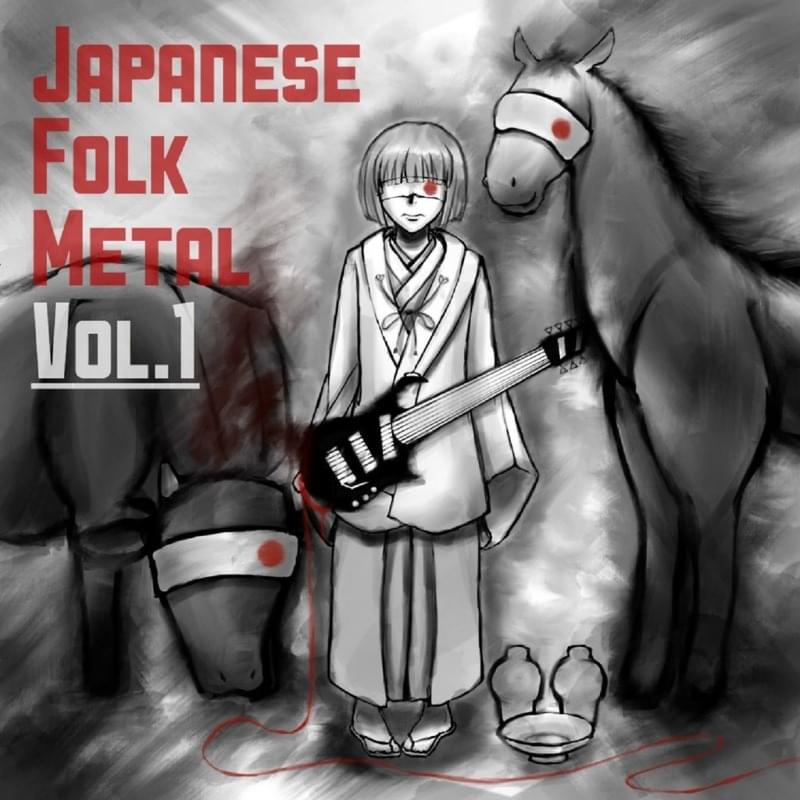
This bounty, however, is explicitly tied to a higher authority: "For the Emperor who rules the mountains, offer its fruits." The act of preparing rice, brewing sake, and sharing cups is presented as a ritualistic offering. Even in years of poor harvest, the community gathers for a feast, accompanied by sacred music and dance. This suggests a deep-seated cultural practice where gratitude and communal bonding are paramount, regardless of the yield.
The repeated refrain, "For the Emperor who rules the mountains, offer its fruits. Cook the rice, brew the sake, let us share the cups," underscores the cyclical nature of this tradition and its central purpose. It’s a moment of collective effort, shared sustenance, and perhaps, a quiet acknowledgment of the power structures that govern their lives. The lyrics effectively capture a sense of shared purpose and enduring ritual, transforming the simple act of harvesting into a profound communal and spiritual event.
 View Artist