Song Meaning
The lyrics paint a picture of someone yearning for a specific person, finding solace and beauty in their presence amidst a feeling of personal inadequacy. The repeated phrase "It's only love" grounds the intense desire in a simple, yet profound, emotional core. The narrator expresses a wish to simply be near their beloved, suggesting a deep comfort and a desire for a peaceful, shared existence, regardless of the circumstances. This longing forms the central emotional thread, a quiet plea for connection and belonging.
The narrator grapples with self-doubt and a lack of direction, admitting to being lost in "少年マンガ" (shonen manga) daydreams and feeling a disconnect from their own desires. They confess to "ただ欲しがって" (just wanting things) without knowing what they truly need, leading to "ぬるい涙" (lukewarm tears) – a subtle yet poignant image of unfulfilled longing. The admission of "言いたいこと言えない" (can't say what I want to say) and calling themselves "根性無し" (cowardly) reveals a vulnerability and a struggle with communication, highlighting the internal conflict between what they feel and what they can express.
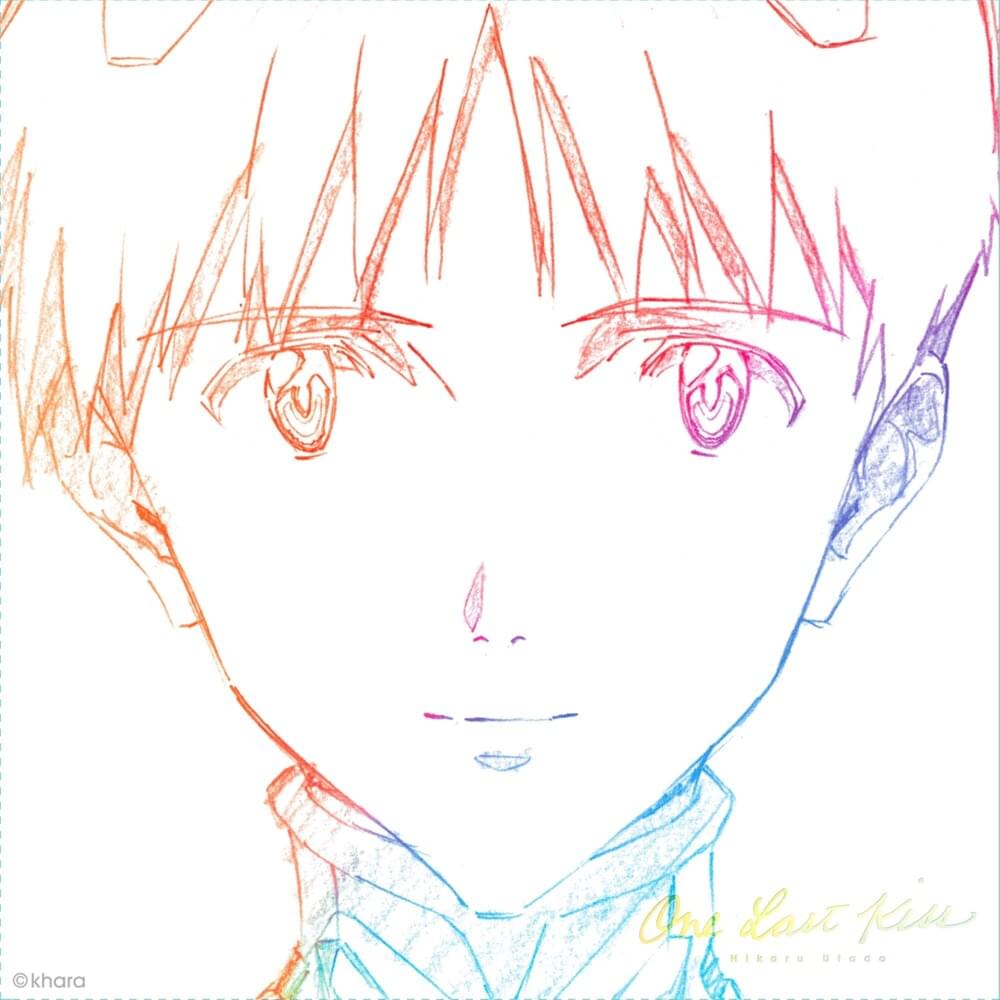
A striking element is the contrast between the narrator's internal turmoil and their perception of the "Beautiful boy." The narrator sees the boy's "自分の美しさ まだ知らないの" (still doesn't know his own beauty), implying an external appreciation for someone who seems unaware of their own worth. This observation, coupled with the idea that "気分のムラは仕方ないね" (mood swings are unavoidable), suggests a gentle, accepting gaze towards the object of their affection, even as the narrator feels adrift. The lyrics also dismiss external validation, stating "新聞なんかいらない 肝心なことが載ってない" (don't need newspapers, the important things aren't written), further emphasizing the personal and intimate nature of their focus.
Ultimately, the effectiveness of these lyrics lies in their raw, understated emotional honesty. The simple, repeated desires and the candid admissions of insecurity create an intimate portrait of yearning. The gentle, almost melancholic tone, underscored by the acoustic feel implied by the title, allows the listener to connect with the quiet desperation and the profound beauty found in a singular, unwavering focus on another person, even when feeling lost within oneself.
 View Artist