Song Meaning
The lyrics paint a picture of deep affection, focusing on a partner who is usually upbeat but is currently struggling. The narrator grapples with how to best support them, oscillating between offering space and direct comfort. This internal debate highlights a profound desire to protect their loved one, regardless of their emotional state. The core sentiment is a steadfast commitment: "絶好調でも bad モードでも 君に会いたい" (Whether in top form or in a bad mood, I want to see you). This unwavering desire underscores the depth of the narrator's feelings, asserting that their affection remains constant even when the partner is down.
The song introduces a tangible offer of solace with the lines, "Here's a diazepam / We can each take half of." This direct, almost clinical, suggestion of medication, juxtaposed with the more casual "Or we can roll one up," reveals a pragmatic yet flexible approach to easing distress. The narrator is willing to explore different methods, whether conventional or unconventional, to help their partner cope. This is further emphasized by the invitation to "メール無視してネトフリでも観て / パジャマのままで / ウーバーイーツでなんか頼んで / お風呂一緒に入ろうか" (Ignore emails, watch Netflix / Still in pajamas / Order something via Uber Eats / Shall we take a bath together?). These are simple, domestic acts of care, suggesting a desire to create a safe, comfortable space for the partner to simply exist without pressure.
A significant element of the craft lies in the narrator's self-awareness and vulnerability. They admit, "You know I'm bad at explaining / But lately I've done some maturing." This confession acknowledges past shortcomings in communication while signaling personal growth and a renewed commitment to being a reliable source of support. The repeated plea, "Hope I don't fuck it up again," carries a heavy weight, suggesting past mistakes and a genuine fear of repeating them. This vulnerability makes the narrator's offer of support feel more authentic and earned, transforming the song from a simple declaration of love into a nuanced exploration of committed care and personal accountability.
Ultimately, the effectiveness of these lyrics stems from their blend of direct, almost blunt, offers of comfort with profound emotional sincerity. The narrator isn't just saying they care; they're showing it through concrete actions and a willingness to be present, even in the mundane. The contrast between the partner's potential "bad mode" and the narrator's consistent desire to be there creates a powerful emotional anchor. The repeated "楽しみなとこ" (the part I look forward to) when describing the partner's profile watching a movie's end credits, grounds the grander emotional stakes in a specific, intimate visual, making the narrator's devotion feel both deeply personal and incredibly real.
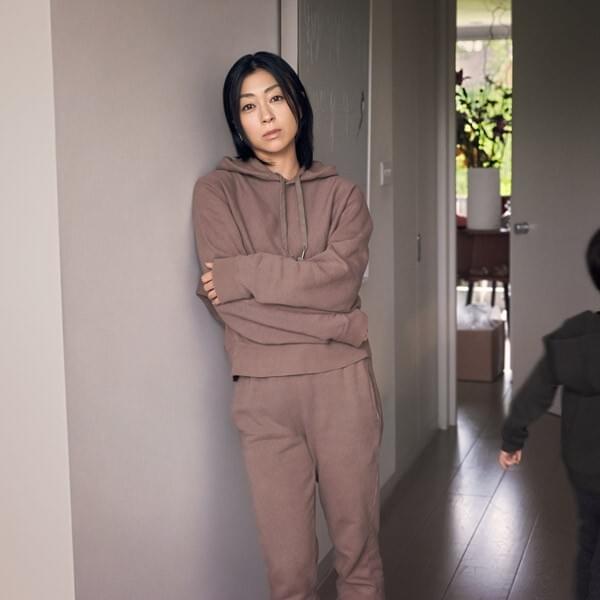
 View Artist