Song Meaning
The lyrics open with a desperate plea to be "swallowed whole" by a "chalk-like fate," a stark image of self-erasure. There's an immediate sense of profound despair, a narrator crying "every night" over a lack of understanding. This isn't just sadness; it's a yearning for oblivion.
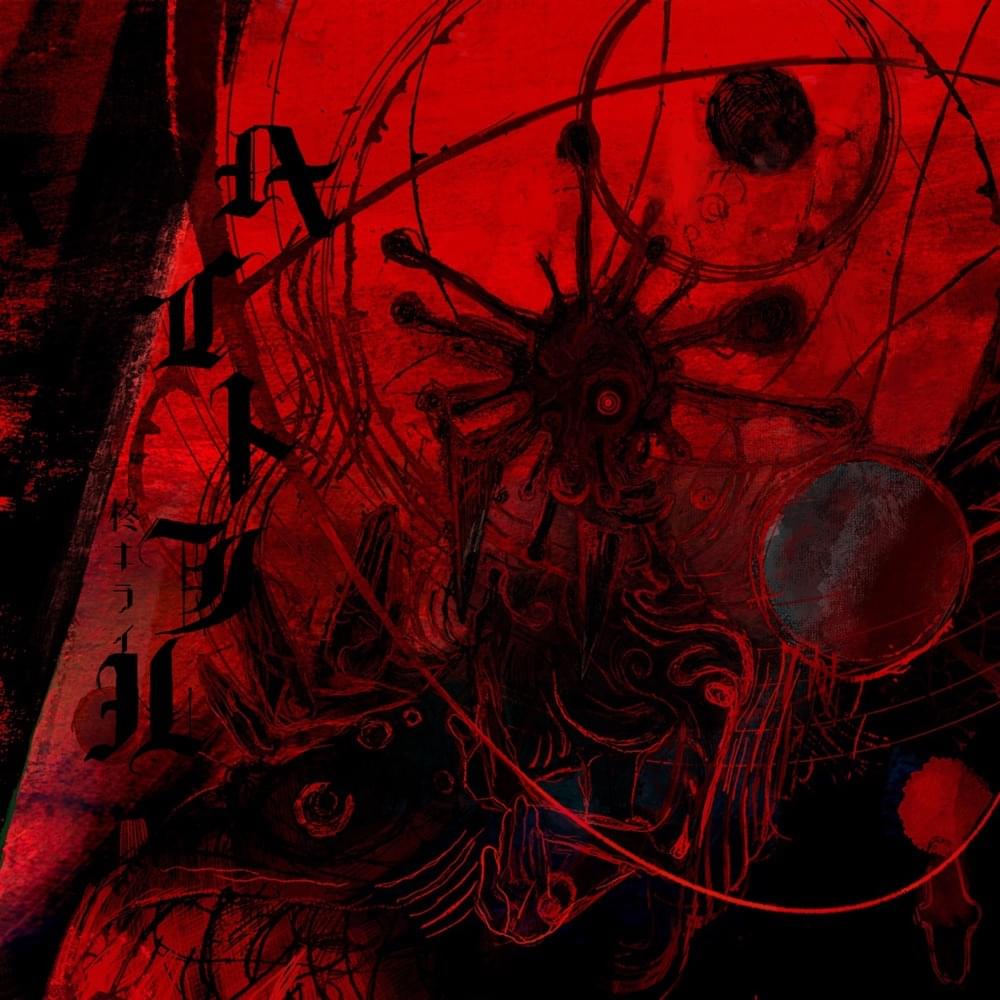
A core tension emerges between wanting an absolute end and a strange desire for full exposure. The narrator wishes for failure to bring finality, wanting "everything to close with a bright red door." Yet, there's also an anticipation of their "disgraceful state" being "openly exposed... to hurt me," suggesting a self-punishing impulse or a belief that judgment is inevitable.
The repeated motif of "chalk-like fate" is particularly striking. Chalk is fragile, easily erased, yet here it's something the narrator wants to be consumed by, hinting at a desire for a clean, albeit destructive, slate. The biblical reference to "Adam the sinner forgot" adds a layer of inherited, perhaps inescapable, guilt, suggesting a fundamental flaw that the narrator feels is forgotten by others but keenly felt within.
The lyrics are effective because they unflinchingly portray a mind grappling with deep self-loathing and a desire for control over their own perceived downfall. Phrases like "it's true without a flinch" when accused of being "calculating" reveal a brutal self-awareness. The image of a "rotten fruit" with an "empty" inside, anticipating "rain falls, exposing ugliness," powerfully conveys a belief in inherent corruption and a readiness for public shaming. It's a raw, almost masochistic embrace of perceived flaws.