Song Meaning
The lyrics paint a fragmented, sensory portrait of a place, possibly America, evoking a complex emotional landscape. The repeated "pam" sounds in the intro, like a rhythmic count or a percussive beat, set a tone that is both playful and insistent. This leads into the chorus, where "Maracas, nostalgia" immediately establishes a core tension: the vibrant, exciting rhythm associated with maracas is intertwined with a sense of longing or past remembrance.
The narrator observes a perceived superficiality in America, noting "Todos sonríen mejor que tú y yo," suggesting a disconnect between outward appearance and inner feeling. This observation is coupled with a description of the local music as having a "no sé qué" – an indefinable quality that is "Amargo y dulce," a bittersweetness that seems intrinsically tied to the American experience. The lyrics hint at a cultural observation, a feeling of being an outsider looking in on a scene that is both attractive and slightly alienating.
The imagery shifts to more concrete, yet still impressionistic, scenes: "dos señoras van de acá para allá" and the glimpse of "la vieja ciudad." These fleeting images, along with the peculiar description of "El tío Barroca, todo un collage," add to the feeling of a collage of experiences rather than a linear narrative. The repetition of "Maracas" throughout the bridge and outro acts as an anchor, a constant rhythmic pulse that seems to both drive and define the elusive "ritmo" being described – a rhythm that is at once exciting, a mirage, and undeniably present.
Ultimately, the effectiveness of these lyrics lies in their ability to evoke a mood rather than tell a direct story. The juxtaposition of vibrant sounds and images with underlying feelings of nostalgia and a subtle critique of superficiality creates a rich, textured experience. The recurring "Maracas" and the varied descriptions of the "ritmo" suggest a search for authentic feeling and connection within a landscape that is both alluring and somewhat artificial.
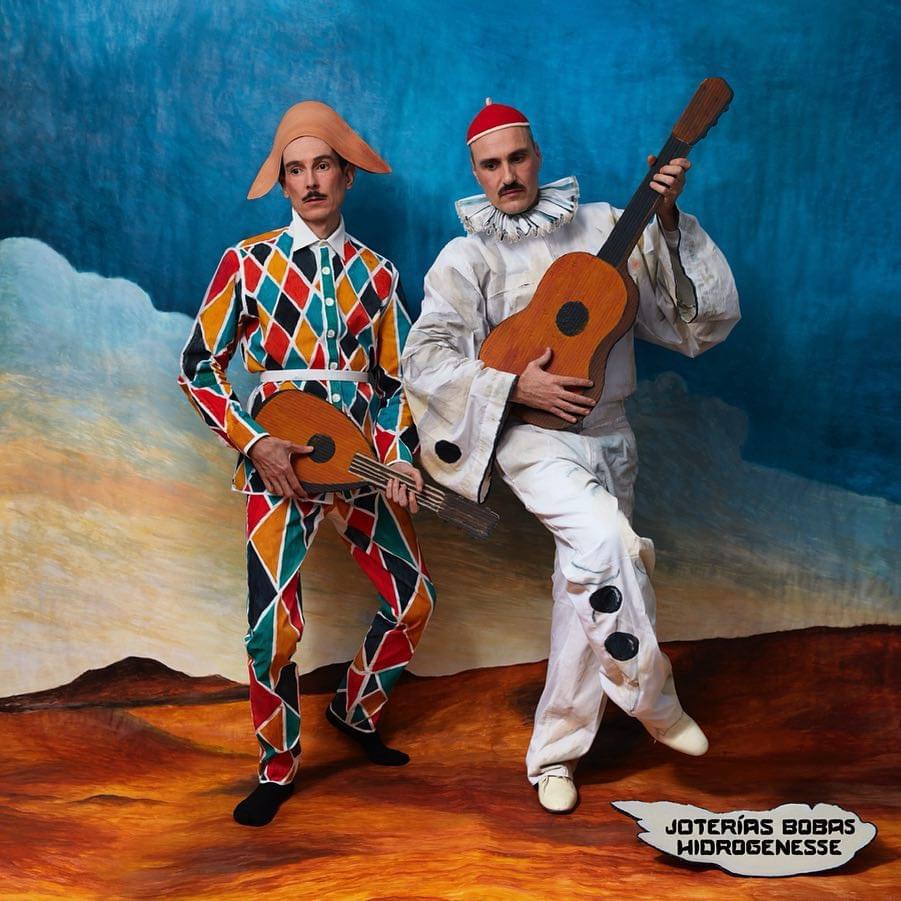
 View Artist