Song Meaning
The lyrics relentlessly hammer home the phrase "Aquí y ahora," or "Here and now," establishing a powerful sense of immediate presence. This repetition creates a hypnotic effect, grounding the listener in the present moment. The opening lines anchor this feeling within a specific, yet undefined, "habitación" (room), suggesting a contained, personal space where time and experience converge. The initial focus is on the immediate sensory and temporal experience, setting a stage for broader reflections.
The core tension arises from the juxtaposition of the mundane "habitación" with expansive, almost surreal, historical and cultural allusions. The lyrics present a series of seemingly disconnected moments and figures – Álvaro Pombo aiding a bird, Flaubert's discovery, Gainsbourg listening to Chopin – all occurring "en este preciso momento." This creates a sense of simultaneity, where disparate events and individuals are brought together by the shared experience of the present, blurring the lines between personal reality and collective human experience.
The most striking craft element is the deliberate collision of historical figures and iconic imagery with the insistent refrain. The appearance of Cleopatra, Elizabeth Taylor, and Terenci Moix all arriving in "Roma" – a city laden with historical and symbolic weight – is particularly potent. This is amplified by the repeated phrase "Todo está en tu cabeza" (Everything is in your head), which suggests that these grand historical narratives and even the concept of "Roma" itself are constructs of perception, existing primarily within the mind. The lyrics propose that the "here and now" is the ultimate reality, capable of containing all of history and imagination.
This lyrical construction is effective because it uses the overwhelming repetition of the present moment to reframe our understanding of time and significance. By placing figures like Cleopatra and Elizabeth Taylor alongside the simple act of a writer helping a bird, the lyrics suggest that all moments, grand or small, are equally valid within the "here and now." The final assertion, "Roma está en tu cabeza," powerfully reinforces the idea that our perceived reality, including vast historical landscapes, is ultimately a mental construct, making the immediate present the only true anchor.
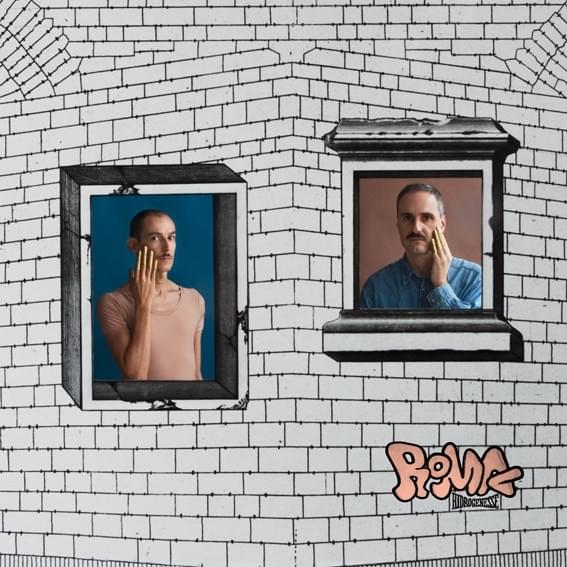
 View Artist