Song Meaning
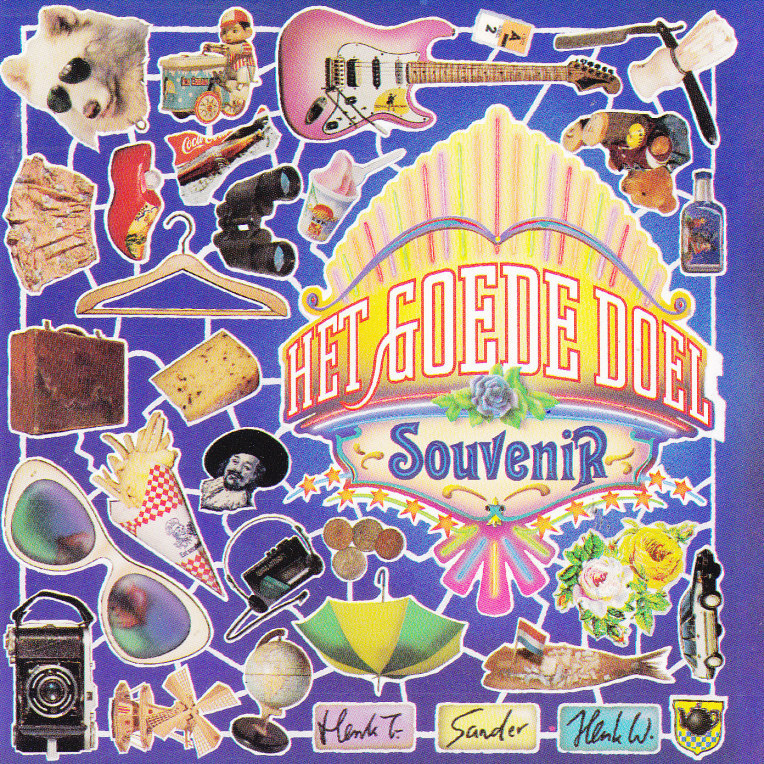
The lyrics paint a picture of a shared life filled with objects that carry stories, each a memento of past experiences. The narrator observes items like an ashtray from a "real Paris cafe," a rose vase bought in "East Berlin" after a near-fight, and a stray cat taken in "because she was hungry." These aren't just possessions; they are tangible anchors to specific moments and places, suggesting a history built together.
The central tension seems to lie in the narrator's perspective on these "souvenirs." While the objects are presented factually, the narrator's framing of a "burn hole in the carpet" as a souvenir "of a sudden passion, a boisterous play-time" imbues even accidental damage with a sense of shared, perhaps chaotic, intimacy. This elevates everyday wear and tear into something meaningful, a testament to a vibrant, lived-in relationship.
The craft here is in the accumulation of detail and the subtle emotional weight given to each item. The specificity of "Paris cafe," "East Berlin," and the encounter with a "Russian looking for a fight" grounds the narrative in vivid, almost cinematic, snapshots. The narrator's act of labeling even the carpet's damage as a "souvenir" is a powerful rhetorical move, transforming potential negatives into cherished memories of intense emotion.
This approach makes the lyrics resonate because it highlights how ordinary objects can become vessels for profound personal history. The narrator finds beauty and significance not just in grand adventures but in the small, sometimes messy, details of cohabitation. It's this ability to see the extraordinary in the mundane, to collect moments as much as things, that gives the writing its emotional depth.
 View Artist