Song Meaning
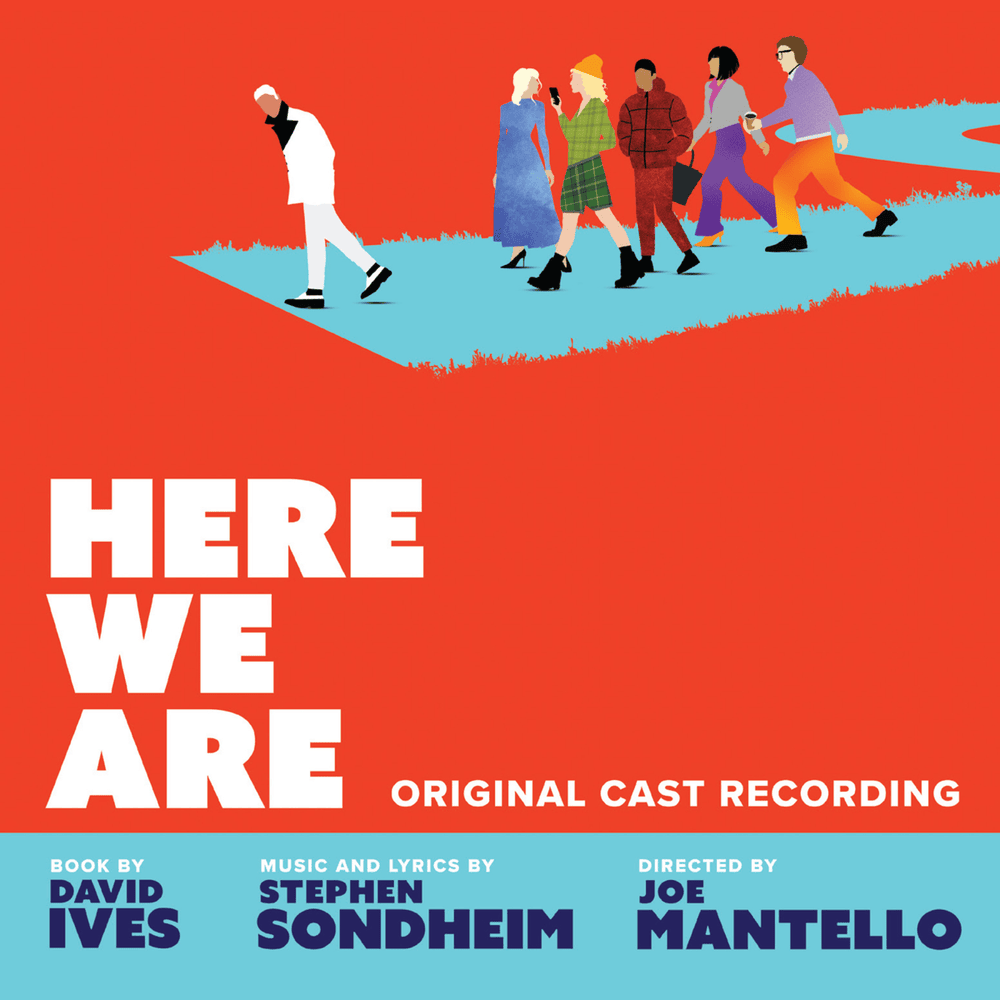
{"song_id": 14000740, "meaning": "Stephen Sondheim's \"Café Everything (Toast 1)\" isn't just a lighthearted send-up of brunch culture; it's a razor-sharp dissection of contemporary consumerism and the insatiable hunger for 'more.' The song, a brief vignette, operates on multiple levels. On the surface, it's a comedic sketch of a restaurant that seemingly offers every conceivable culinary delight. But beneath the veneer of 'plenitude' and 'endless plenty' lies a critique of the relentless pursuit of novelty and the commodification of experience. The Maitresse D's hyperbolic welcome – \"A celebration of plenitude! A hymn to abundance!\" – immediately establishes a tone of ironic excess. The very name 'Café Everything' hints at the emptiness inherent in having, and therefore valuing, nothing in particular. It's a world where choice is not liberating but paralyzing, where the sheer volume of options becomes a burden. \n\nThe characters, though briefly sketched, embody different facets of this consumerist mindset. Claudia's absurdly specific and immediate order – \"a decaf soymilk latte mocchaniño, immediately\" – satirizes the demanding, entitled customer who views consumption as a right, not a privilege. Marianne's repeated request for water, seemingly ignored, suggests a deeper thirst – a yearning for something genuine amidst the artificial abundance. The 'enabler' waiter, a particularly insightful touch, highlights the restaurant's (and, by extension, society's) complicity in facilitating this endless cycle of desire and consumption. Even the toast itself, a seemingly innocent expression of gratitude, feels hollow in this context. It's a performance of thankfulness, devoid of genuine feeling. \n\nUltimately, \"Café Everything\" functions as a microcosm of a society obsessed with acquisition. Sondheim, with his characteristic wit and cynicism, suggests that this relentless pursuit of 'everything' ultimately leaves us empty and unfulfilled. The song’s brevity amplifies its impact. It’s a fleeting glimpse into a world where even the simplest desires are complicated by the overwhelming pressure to consume, leaving the listener to question the true cost of our insatiable appetites. The repeated phrase "I will check on that," in response to a simple request for water, speaks volumes about the performative nature of service and the disconnection between genuine human need and the commodified experience of dining."}
 View Artist