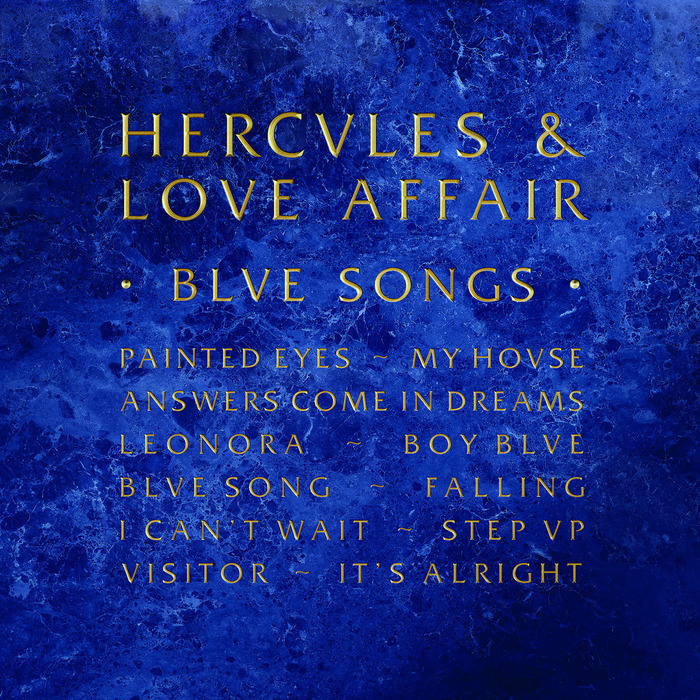
Song Meaning
The lyrics paint a picture of someone emerging from a difficult period, described as a "war," only to find themselves deeply affected by a new connection. The narrator explicitly states, "Ravaged after my war / When I came to know you / I was a young boy blue." This establishes a state of vulnerability and emotional immaturity, colored by past hardship, that defines their initial encounter with the subject of the song. The repetition of "young boy blue" acts as a stark self-assessment, highlighting a lingering sense of sadness or naivete.
The central tension lies in the transformative power of this relationship, which seems to have both healed and consumed the narrator. The color "blue" becomes a pervasive motif, representing not just sadness but an overwhelming focus on the other person: "Blue was the color I saw / After we began to talk / I could not see much else." This intense fixation suggests that the connection, while perhaps positive, was all-encompassing, potentially eclipsing the narrator's own perspective or well-being.
The refrain's dual dedication, "This song is sung for you / This song is sung for me," is particularly striking. It reveals a complex emotional landscape where the song serves as both an offering to the other person and a form of self-reflection or catharsis for the narrator. This duality underscores the idea that the experience was deeply personal and had a profound impact on their internal state, necessitating this musical acknowledgment.
Ultimately, the lyrics resonate because they capture the disorienting yet profound impact of a significant relationship on someone still recovering from past trauma. The narrator's "gratitude" in the outro, for both "words" and "heights," suggests a recognition of the positive influence, even if it emerged from a place of deep personal "blue." The song's power lies in its honest portrayal of how profound connections can reshape us, for better or worse, after we've weathered our own storms.