Song Meaning
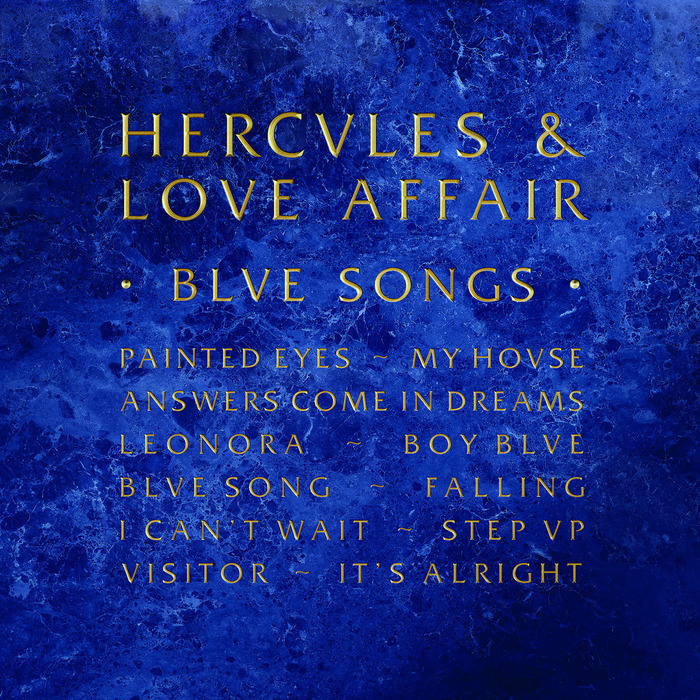
The lyrics paint a picture of a recurring, almost ritualistic departure, marked by a mysterious "word" that causes someone to "vanish" and "disappear." This act is directly linked to "blue songs" sung in a "temple," suggesting a sacred or traditional context for these events. The repetition of the vanishing act and the mention of these songs create an atmosphere of cyclical loss or transformation, where something significant is communicated and then immediately followed by absence.
The core tension seems to lie in the contrast between sacred tradition and a disturbing violation. The "blue songs" are presented as communal "stories for all to hear," but Verse 2 introduces a dark undercurrent: "Lust was put upon my child." This jarring image shifts the focus from general stories to a specific, predatory act, implying the temple's songs might have also served to explain or process such transgressions, with "ghosts" representing the lingering trauma. The act of mothers holding children close underscores the vulnerability and fear introduced.
The most striking craft element is the persistent motif of the "blue songs" and the "temple." Initially, they seem to represent shared history and communal wisdom. However, the lyrics subtly reframe their purpose. Verse 3 suggests the lessons learned within the temple walls and the ritualistic "water wash" are meant to "keep the spirits green," implying a need for renewal or cleansing after the events hinted at in Verse 2. The songs evolve from mere stories to a mechanism for spiritual preservation.
Ultimately, the effectiveness of these lyrics stems from their evocative, almost allegorical quality. The narrator's declaration in Verse 4, "I will write the blue songs now," signifies a shift towards personal agency and a desire to articulate what was previously only implied or sung about. By taking up the mantle of song-writing, the narrator aims to sing the "song unsung," suggesting a need to confront or express the unspoken pain, particularly for the "young," who are the future inheritors of these temple lessons and the potential victims of the "lust."
 View Artist