Song Meaning
This track paints a picture of a toxic, cyclical relationship where past lovers are trying to reclaim their former positions, even if it means actively sabotaging each other's current relationships. The narrator expresses a desire to have their ex's current partner "in a box," a violent image suggesting a wish to permanently remove them from the picture. Simultaneously, the ex is depicted as wanting the narrator's current partner "tied up," ready to be threatened, all to manipulate the narrator back into the picture. It's a desperate, possessive dance where neither party seems willing to let go, even as they inflict pain.
The central tension lies in the yearning to be "first again" versus the reality of being "second best." The narrator explicitly states, "I don't want to be second best," highlighting the sting of not being the primary focus. This desire is amplified by the admission, "I've waited too long," suggesting a deep-seated need for validation and a return to a perceived golden age of the relationship. The repeated plea for a "second chance" underscores the instability and the narrator's willingness to engage in deceit to achieve this goal.
The lyrics cleverly use the idea of "cheating again" not just as an act, but as a predictable outcome of their dynamic. The narrator anticipates the ex calling when their current partner leaves, setting up a scenario where betrayal is the expected reunion ritual. This repetition of "cheat again" emphasizes the ingrained pattern of their interactions, suggesting a mutual understanding that their connection thrives on infidelity and manipulation, rather than genuine affection or commitment.
What makes these lyrics hit hard is the raw, almost transactional portrayal of desire and desperation. The narrator isn't seeking a healthy reconciliation; they want to be the undisputed priority, even if it means perpetuating a cycle of hurt and deception. The stark imagery and the relentless repetition of the chorus create a sense of being trapped in this unhealthy loop, making the listener feel the weight of the narrator's prolonged, unfulfilled longing.
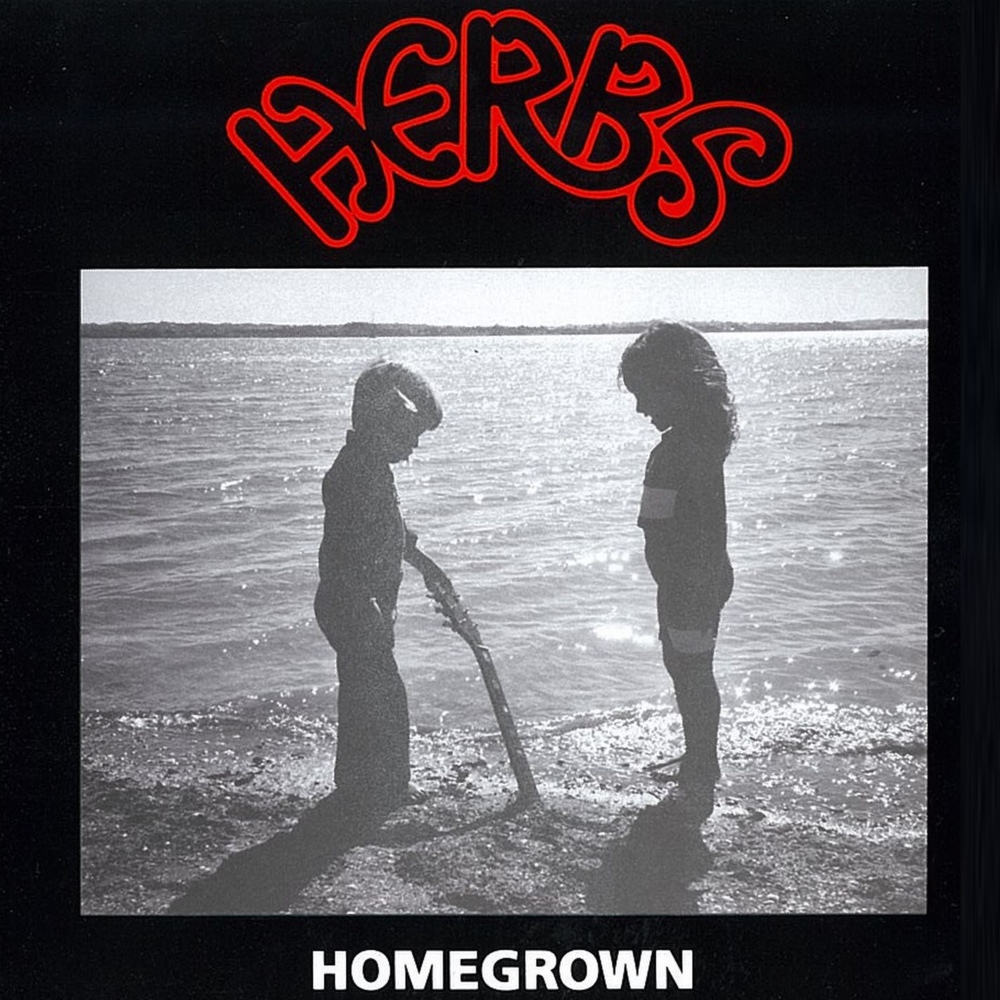
 View Artist