Song Meaning
“Watermelon Man (1962)” presents a unique lyrical landscape: none at all. The single word "[Instrumental]" immediately signals a different kind of engagement. It's a bold statement, demanding attention to sound over story. This choice fundamentally shapes the listener's experience.
The absence of sung words creates a distinct tension, or perhaps a liberation. Without a narrator's voice or explicit narrative, the listener is invited to project their own experiences onto the sonic tapestry. This lack of verbal guidance pushes the music itself to the forefront, making every note, rhythm, and harmony carry the full weight of expression.
The most striking craft element here is the deliberate omission of any lyrical content. By simply stating "[Instrumental]", the piece foregrounds the power of non-verbal communication. It's a testament to the idea that music alone can convey complex emotions and vivid scenes, bypassing the need for literal interpretation. The composition becomes its own language.
Ultimately, these "lyrics" are effective precisely because they aren't lyrics in the traditional sense. They force a deeper immersion into the musicality. The listener isn't told what to feel or think; instead, they're given space to discover it within the arrangement.
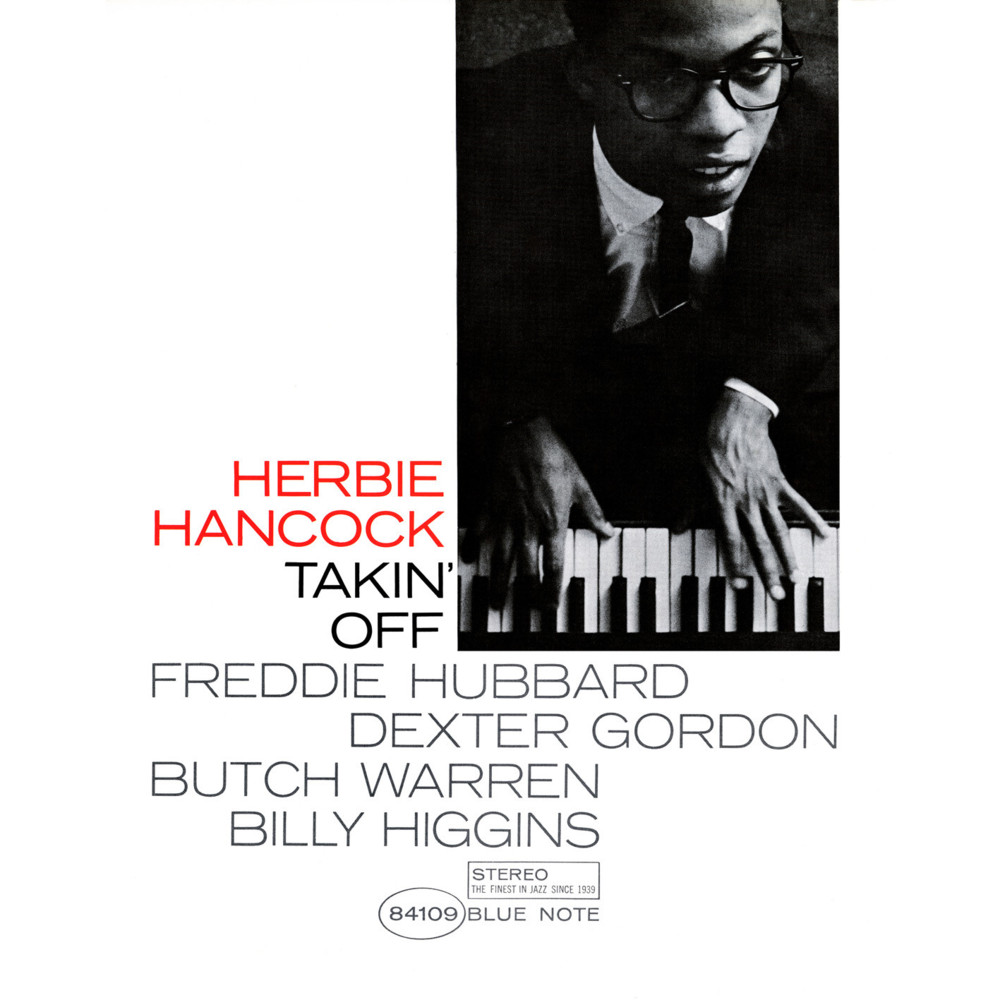
 View Artist