Song Meaning
The lyrics paint a stark, almost biblical portrait of loss, beginning with a chance encounter in a seemingly ordinary place. The old man, physically frail and shivering, immediately establishes a tone of deep sorrow and vulnerability. This initial image sets the stage for a narrative of profound personal tragedy, delivered with a quiet, devastating finality.
The central, gut-wrenching tension lies in the contrast between the father's memories of his vibrant sons and their ultimate fate. He recalls them as "tall and a lively lad," emphasizing their youth and potential. This idyllic past is brutally juxtaposed with the grim reality that all six marched "to France with the guns," a euphemism for war that carries the unspoken weight of their demise. The repetition of "six sons I had" underscores the magnitude of his bereavement.
The most striking aspect of the craft is the cyclical, almost incantatory repetition of the father's lament. The phrase "Six sons I had" is not just a statement of fact but a mournful refrain, highlighting the inescapable nature of his grief. The simple, declarative sentences and the unchanging rhyme scheme ("cold"/"lad," "guns"/"sons") lend the story a timeless, ballad-like quality, making the personal tragedy feel universal and deeply resonant.
This lyrical structure and directness are what make the passage so effective. There's no elaborate metaphor or complex wordplay, just the raw, unadorned truth of a father's unimaginable loss. The specificity of "Stow-on-the-Wold" grounds the story, while the abstract horror of "France with the guns" leaves the listener to fill in the devastating blanks, amplifying the emotional impact through its stark simplicity.
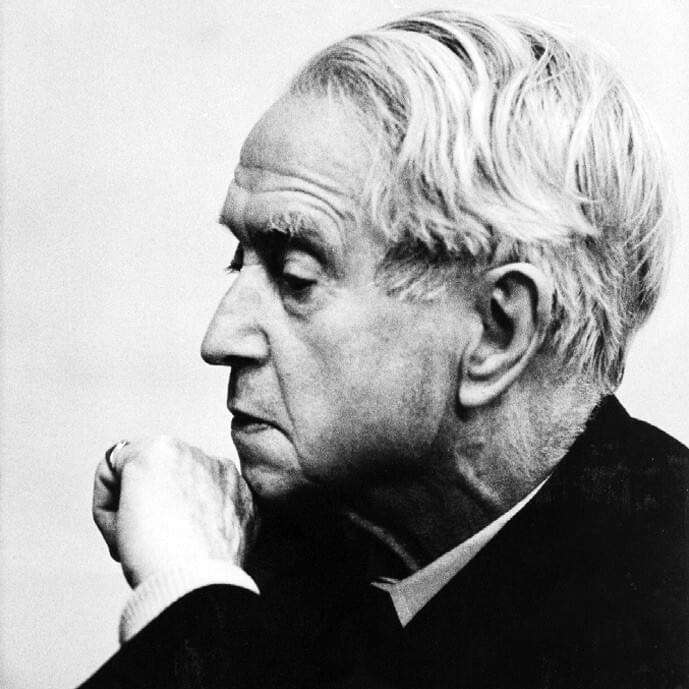
 View Artist