Song Meaning
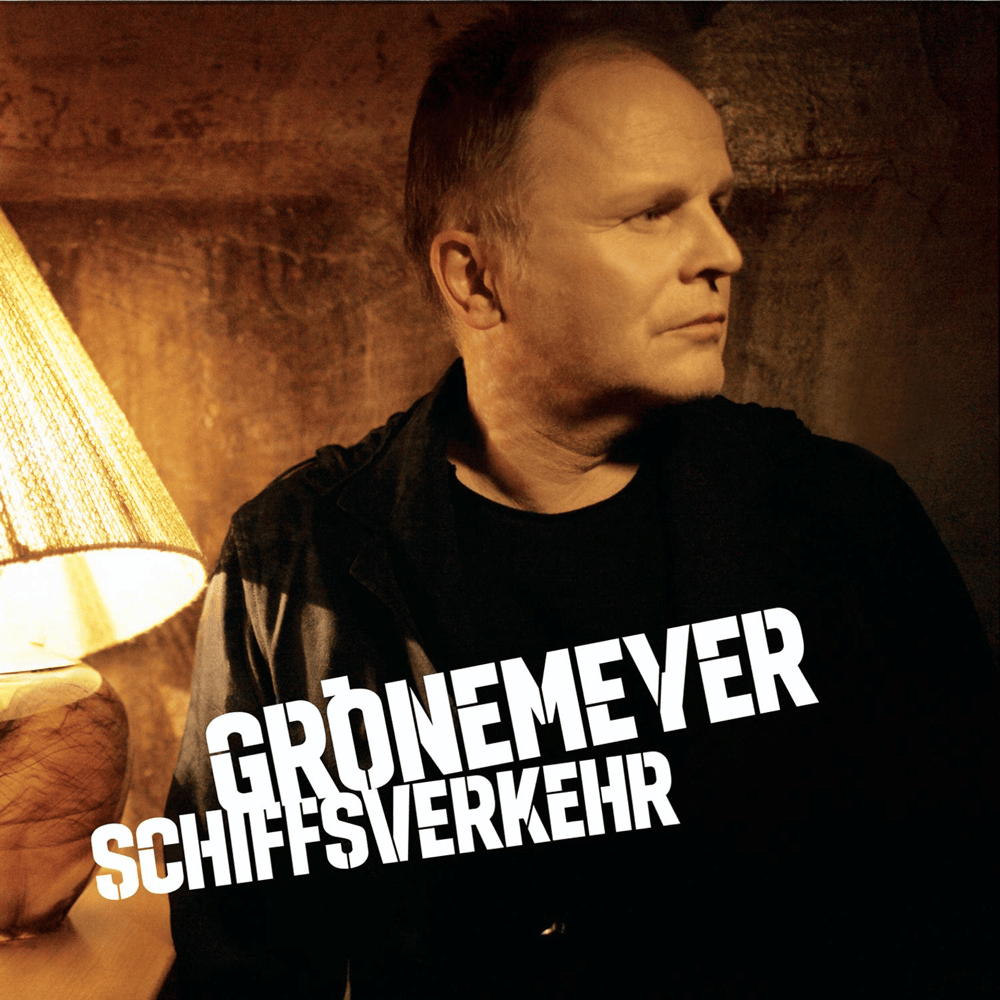
{"song_id": 14886333, "meaning": "Herbert Grönemeyer's \"November (Hidden Track)\" isn't just a seasonal lament; it's a starkly beautiful portrait of solitude embraced as a form of resilience. The song paints a sonic landscape of late autumn's bleakness – rain falling sharp, trees stripped bare, frost encroaching – but this isn't mere scene-setting. The external environment mirrors an internal state, a deliberate withdrawal from the world's demands. The repeated line, \"Von mir aus kann es hageln, taun, friern und schnein\" (\"As far as I'm concerned, it can hail, thaw, freeze and snow\"), is not an expression of despair, but of defiance. It's an almost nihilistic acceptance, a refusal to be swayed by external pressures or expectations. The speaker has found a strange comfort in the face of inevitable decline.
The lyrics delve into the psychology of self-sufficiency. There's a deliberate rejection of purpose, direction, and external validation: \"Such kein Zweck, kein Griff, kein Weg / Lunger stur vor mich hin\" (\"Seek no purpose, no grip, no way / Loaf stubbornly in front of me\"). This isn't laziness, but a conscious choice to shed societal burdens and expectations. The line \"Bin mir heute genug und morgen noch mehr\" (\"I am enough for myself today and even more tomorrow\") underscores this self-reliance. Grönemeyer suggests that true strength lies not in constant striving, but in finding contentment within oneself, even amidst the decay of November. The speaker finds a strange beauty in this season, acknowledging that \"Es lebt sich auch im November\" (\"There is also life in November\") and that \"Tief im Herbst drin liegt ein Neubeginn\" (\"Deep in autumn lies a new beginning\").
However, the song's emotional core isn't entirely cold. The final verses introduce a flicker of warmth, a hint of vulnerability. The speaker acknowledges the possibility of being brought home by another's tears and offering support in return: \"Von mir aus bringen mich Deine Tränen heim / Von mir aus werd ich für Dich sein\" (\"As far as I'm concerned, your tears will bring me home / As far as I'm concerned, I will be there for you\"). Yet, this connection is immediately tempered by the assertion, \"Aber ich bin gern allein\" (\"But I prefer to be alone\"). This tension highlights the complex, often contradictory nature of human connection. The speaker values solitude, but also recognizes the potential for solace and support in relationships, even if they remain at a distance. The repeated affirmation, \"Ich bin sehr gern allein\" (\"I very much like to be alone\"), becomes less a statement of fact and more a mantra, a necessary self-declaration in the face of life's inevitable hardships."}
 View Artist