Song Meaning
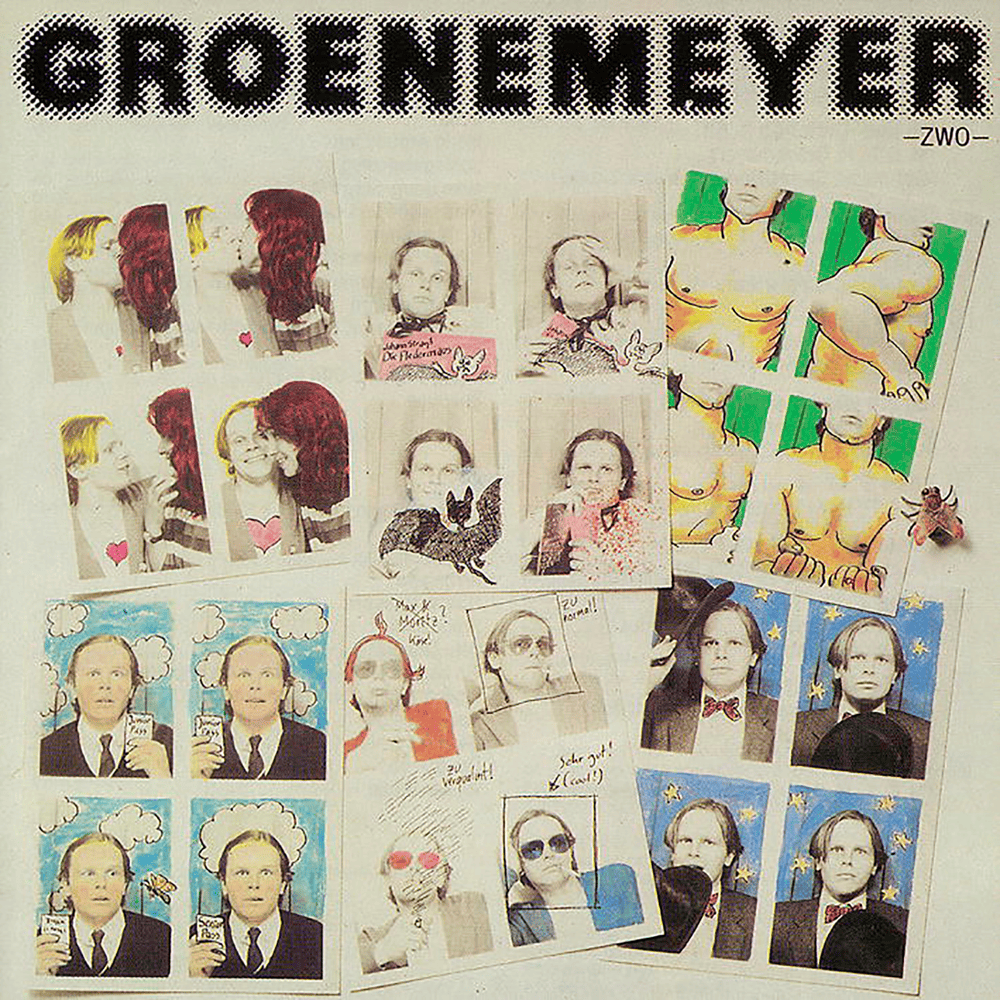
Herbert Grönemeyer's "Muskeln" isn't just a paean to pumped-up physiques; it's a wry, self-aware commentary on the performative nature of masculinity and the anxieties that fuel our obsessions with physical strength. The lyrics, delivered with Grönemeyer's signature blend of irony and earnestness, paint a picture of someone caught in the endless cycle of self-improvement, driven by a fear of inadequacy. The opening lines mock the dedication needed, suggesting the almost absurd lengths people go to in pursuit of the ideal body. It's not just about physical prowess; it's about projecting an image of effortless power, of being "voll durchtrainiert vom Kopf bis zu den Zeh'n" (fully trained from head to toe). The repetition highlights the obsessive nature of this pursuit.
Grönemeyer cleverly juxtaposes the desire for physical strength with the fear of being perceived as weak or intellectual. The recurring line, "Lieber 'n paar Muskeln zu viel / Als ein dünnes Nichts zu sein / Und nur Erfolg beim Schach" (Better a few muscles too many / Than to be a thin nothing / And only successful at chess), encapsulates this anxiety. It's a rejection of intellectualism, a preference for the tangible, visible strength of muscles over the perceived weakness of the mind. However, the punchline, "Stark sein macht so schwach" (Being strong makes you so weak), hints at the vulnerability that lies beneath the surface. The pursuit of strength becomes a weakness in itself, a form of insecurity masked by bulging biceps.
The song also touches on the performative aspect of body image. The image of someone standing "Tagelang vorm häuslichen Spiegel stehen / Leicht eingeölt, den Oberkörper frei" (Standing for days in front of the mirror at home / Lightly oiled, upper body free) is both comical and unsettling. It suggests a narcissistic obsession with appearance, a constant need for validation. The line "Weniger Grips, lieber mehr Bizeps" (Less brains, more biceps) is a pointed critique of a culture that values physical appearance over intellectual substance. The final admission that "Auch wenn ab und zu eine Sehne reißt" (Even if a tendon tears now and then) underscores the physical and psychological toll of this relentless pursuit of the perfect body. Ultimately, "Muskeln" is a clever and thought-provoking exploration of the complex relationship between masculinity, body image, and the anxieties that drive our pursuit of physical perfection. It's a song that invites us to question the societal pressures that shape our desires and the true meaning of strength.
 View Artist