Song Meaning
Herbert Grönemeyer's "Ich will's nicht" isn't a gentle whisper of rejection; it's a guttural scream against unwanted intimacy. The song meaning resides in the stark contrast between the speaker's exhausted state and the insistent advances of another. The opening lines, a repeated denial, immediately establish a boundary, a refusal to yield to external pressure. This isn't merely about physical touch; it's about the violation of personal space and the right to decline affection, regardless of the other person's intentions. The blunt repetition emphasizes the speaker's desperation to assert control over their own body and emotions.
The core of the song's disquiet lies in the imagined scenario. The speaker pictures themself lying in bed, utterly drained, while someone looms over them, face "groß und rund wie der Mond." This imagery evokes a sense of being overwhelmed, even consumed, by the other person's presence. The words of endearment – "Komm Schätzchen, komm Liebling" – become unsettling, even menacing, when juxtaposed with the speaker's clear lack of consent. The subtle shift from tenderness to demand is key; it underscores the uncomfortable reality of affection morphing into a form of coercion. The act of "schiebt sie sich ganz langsam über mich" is not portrayed as an act of love, but an act of violation, of disregarding the speaker's explicit wishes.
The raw, almost primal, cry of "Ich will's nicht, ich will's nicht" underscores the song's central theme: the absolute necessity of consent. It's a visceral rejection of unwanted advances, a plea for autonomy and respect. The speaker's frustration is palpable as they demand, "Komm, geh' weg von mir / Du bist mir zu nah." The repeated insistence on being left alone – "Laß' mich in Ruh', laß' mich bloß in Ruh'!" – isn't just a request; it's a declaration of self-preservation. Grönemeyer captures the suffocating feeling of being trapped in a situation where one's boundaries are ignored, turning a simple phrase into a powerful statement about agency and the right to say no.
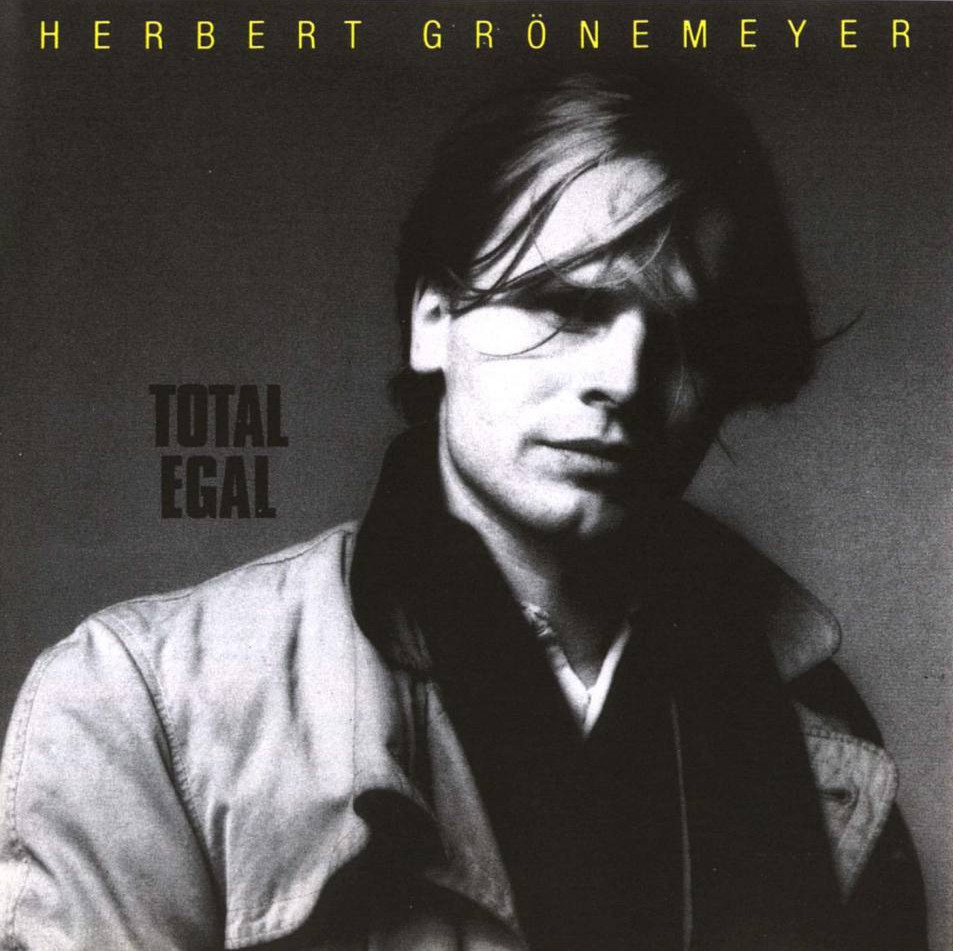
 View Artist