Song Meaning
The lyrics paint a picture of cyclical self-sabotage and strained relationships. There's a sense of being stuck in a loop, making the same errors repeatedly, which leads to a bitter conclusion. The narrator admits to losing a significant connection, attributing it to "trouble," a vague but potent force that seems to have driven a wedge between them and their "only friend."
This downward spiral is amplified by a disconnect between intention and execution. The narrator acknowledges a gap "between the words I say and what I mean," suggesting a struggle with authentic communication or perhaps an inability to articulate their true feelings effectively. This internal confusion is compounded by an external perception of their state, as they confess to being "only sick at best," implying a chronic, perhaps even accepted, condition of unwellness that further isolates them.
The core tension lies in this repeated failure and the resulting isolation. The phrase "same mistakes" highlights a lack of progress, while the loss of a "friend to trouble" underscores the destructive consequences of these patterns. The narrator's self-assessment as "sick at best" feels like a resigned acceptance of their flaws, a surrender to the "bitter end" that seems to be an inevitable outcome of their actions.
What makes these lyrics resonate is their raw honesty about personal failings and the painful aftermath. The simple, direct language avoids melodrama, instead presenting a stark, almost clinical, observation of a life caught in a cycle of error and regret. The confession of being "only sick at best" is particularly poignant, capturing a sense of weary self-awareness that feels deeply human.
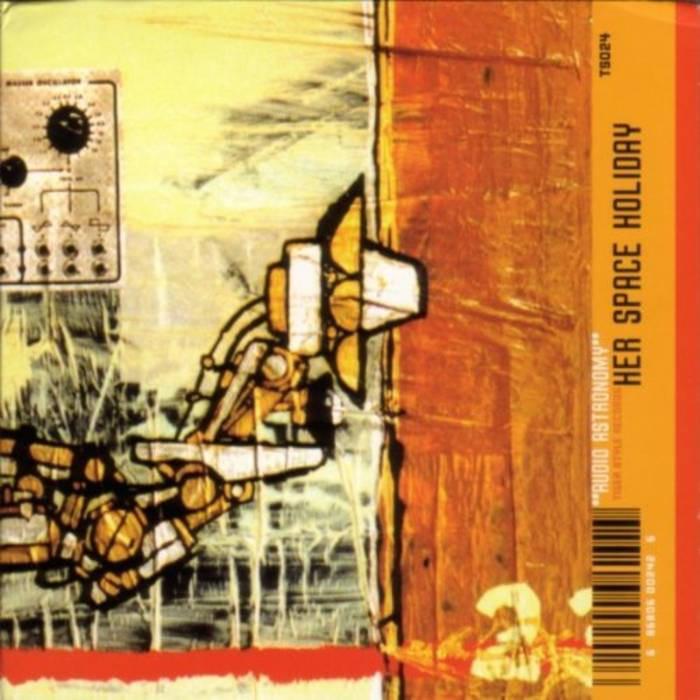
 View Artist