Song Meaning
The lyrics paint a stark picture of self-awareness and a desperate plea for reconciliation. The opening lines immediately establish a tone of internal conflict, with the narrator acknowledging a perceived "unfeeling and full of sin" nature. This self-condemnation is juxtaposed with a struggle to change, a battle that seems to go unnoticed by others. The chilling refrain, "Home is where you hang yourself," suggests a deeply ingrained sense of self-destruction or a toxic environment where personal demise feels inevitable.
The core tension lies in the narrator's complex relationship, marked by both persistence and profound distrust. The narrator expresses surprise that the other person has remained for "four months and seven days," yet simultaneously admits to being the aggressor, "I victimize." This admission shatters any pretense of innocence, revealing a conscious understanding of their own harmful actions. The plea "Tell me you love me, but there's hate in your eyes" highlights a desperate need for reassurance that is undermined by perceived negativity from their partner.
The most striking aspect is the narrator's shift from self-pity to active contrition. The promise to "be good" and "be fair" is followed by a direct acknowledgment of past wrongs: "I'll take it back / And make amends." This isn't just a wish for things to return to normal; it's a commitment to repair the damage. The desire to return to a state of being "The best of friends" underscores the depth of what has been lost and the narrator's willingness to actively work towards restoring it, despite the grim opening assessment of their own character.
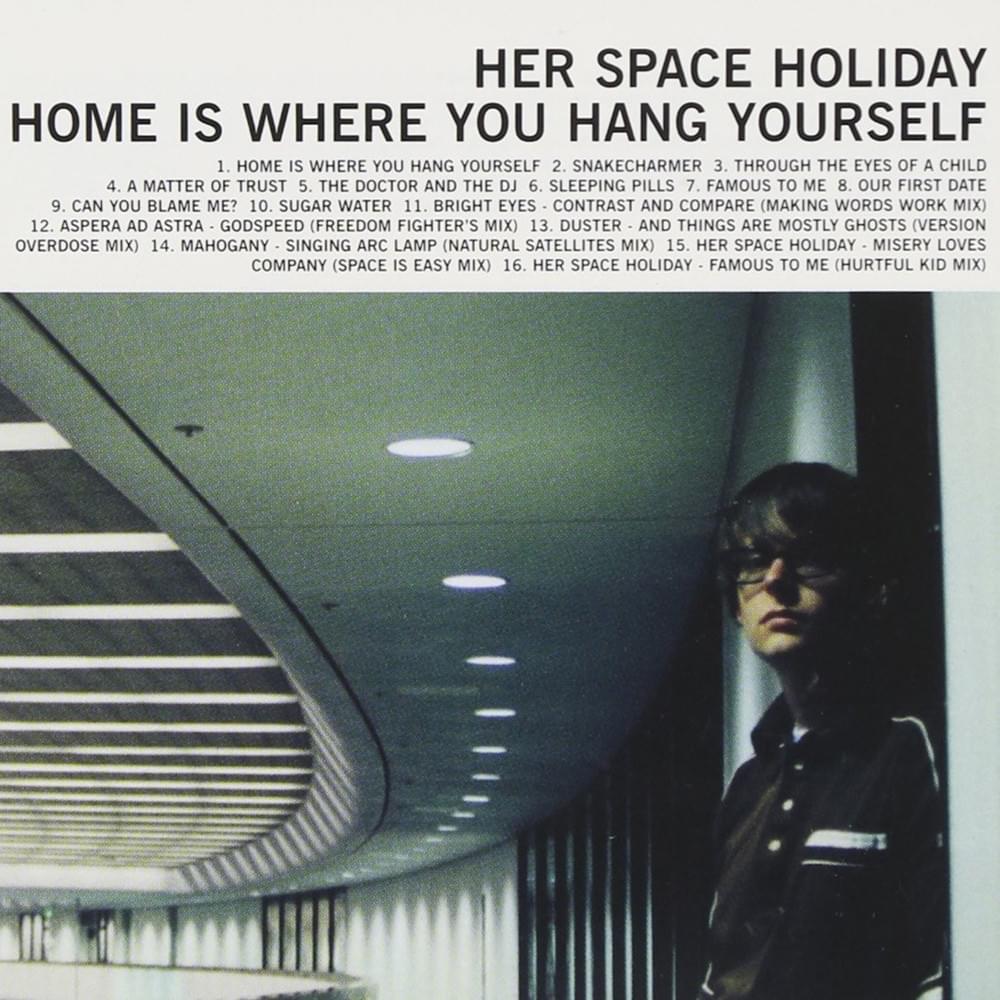
 View Artist