Song Meaning
The narrator paints a picture of vast experience, having observed "a million eyes" and "a million lives" that seem to have stagnated. This initial sweeping statement sets a tone of weary detachment, as if the speaker has seen it all and found much of it wanting. The repetition of "Oh, yeah" acts as a resigned sigh, a punctuation mark on observations that are both grand in scale and bleak in conclusion. It suggests a profound, almost detached, understanding of human trajectories, or lack thereof.
The core tension arises from the contrast between the narrator's past recklessness and their current, almost empathetic, understanding. Phrases like "stared into the sun" and "laid down on the tracks" evoke a history of self-endangerment or perhaps a flirtation with oblivion. Yet, the insistent "I ain't lookin' back" coupled with "felt it gettin' colder" and the perpetual "look across my shoulder" hints at a lingering unease or a past that still casts a shadow, even as the speaker claims forward momentum.
The most striking craft element is the pivot from personal experience to an intimate understanding of another's state: "I took my hand off the wheel / And since I know / I know how you feel." This sudden shift implies that a moment of surrender or relinquishing control has unlocked a deep empathy. The repetition of "I know how you feel" transforms from a potentially dismissive platitude into a profound, earned statement of shared emotional territory, born from a history of intense personal trials.
This lyrical construction is effective because it grounds a universal feeling of empathy in a specific, albeit abstract, personal history. The narrator’s journey through extreme experiences, from self-destruction to a moment of letting go, makes their final declaration of understanding feel earned and resonant. It’s not just sympathy; it’s a hard-won recognition of a shared human condition, articulated through stark imagery and a surprising emotional turn.
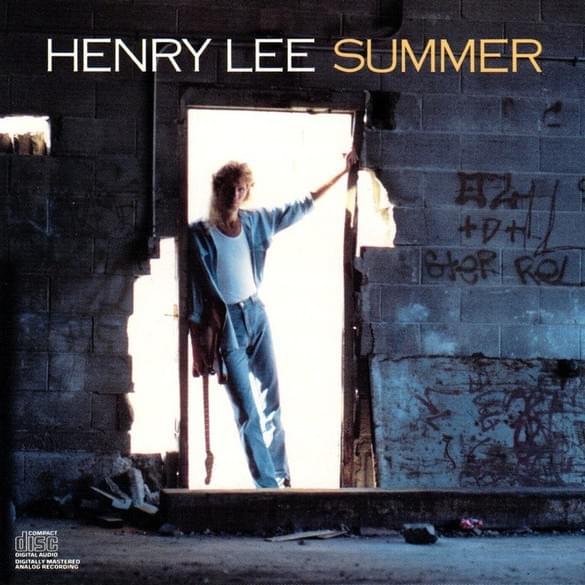
 View Artist