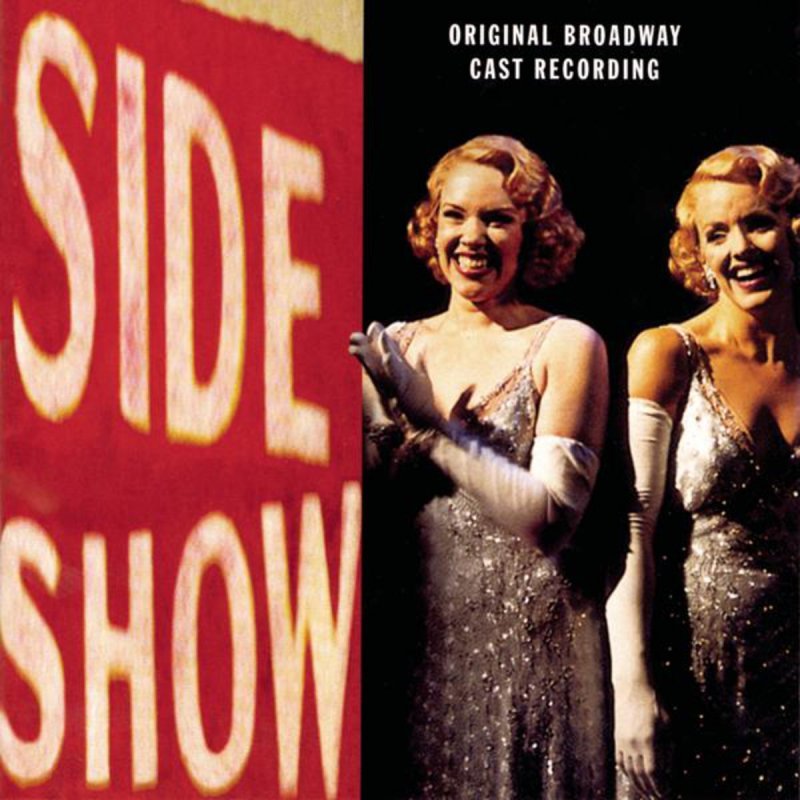
Song Meaning
The lyrics paint a picture of two beings, Daisy and Violet, who present themselves as beautiful, singing birds offering "sweet birdsongs of love." They describe themselves as floating and fluttering, their "love songs are music for mating." This initial imagery suggests a performance, a deliberate display of affection and desirability, aiming to attract attention and perhaps a mate. The "little sparrow and dove" wanting to play implies a broader audience or perhaps other creatures drawn to their performance.
The central tension arises when the narrator shifts from presenting their own allure to a more vulnerable question: "Will someone find us captivating prey?" This introduces a darker undertone, suggesting that their beautiful display might attract not just admiration but also danger. The waiting implies an anxious anticipation, a hope that their performance will be met with appreciation rather than predation. The repetition of "We'll keep singing... 'Til that day" underscores this persistent hope amidst potential peril.
The most striking craft element is the dual perspective and the shift in tone. Initially, Daisy and Violet are the active performers, confidently showcasing their "love songs." However, the Company's interjection transforms them into "songbirds on display," a more passive object of observation. The Company's description of "Two birds in flight / Delighting far above the fray" reinforces the visual spectacle, but the phrase "captivating prey" lingers, creating an unsettling contrast between the perceived beauty and the potential threat. The "feather spray" adds a final, almost chaotic visual flourish to this complex presentation.
These lyrics are effective because they subtly weave a narrative of performance and vulnerability. The initial sweetness of the birdsongs and fluttering gives way to an underlying anxiety about being seen and judged, or worse, hunted. The contrast between the self-proclaimed beauty and the fear of becoming "prey" creates a poignant emotional resonance, making the reader question the true nature of the display and the safety of the performers.