Song Meaning
This passage confronts the stark reality of human mortality with a raw, almost desperate plea. The narrator directly addresses a higher power, seeking not just an end date, but a clear understanding of their remaining time. This isn't about avoiding death, but about grasping its finite nature, a desire to be "certified" about life's brevity. The immediate tone is one of profound existential anxiety, a deep unease with the unknown duration of existence.
The core tension lies in the perceived insignificance of human life against the backdrop of divine eternity. The lyrics emphasize how fleeting our days are, "as it were a span long," and how human endeavors, like accumulating wealth, are ultimately futile, "cannot tell who shall gather them." This sense of "vanity" permeates the text, suggesting that human striving is ultimately meaningless in the grand cosmic scheme. The narrator feels consumed by a divine "heavy hand," experiencing life as a fleeting, fragile thing.
The writing powerfully uses imagery of decay and transience to convey this fragility. Life is compared to a "vain shadow" and a garment being "fretting a garment" by a moth, illustrating how beauty and existence itself are consumed by time and divine judgment. This visceral comparison makes the abstract concept of mortality feel tangible and deeply unsettling. The narrator's submission, becoming "dumb, and opened not my mouth," underscores a feeling of powerlessness in the face of this overwhelming reality.
Ultimately, the effectiveness of these lyrics stems from their unflinching honesty and the stark contrast drawn between human ambition and divine perspective. The narrator’s hope is placed solely in the divine, a last resort when all earthly pursuits are revealed as transient. This profound sense of humility and surrender, born from the recognition of one's own "vanity," is what gives the passage its enduring, somber power.
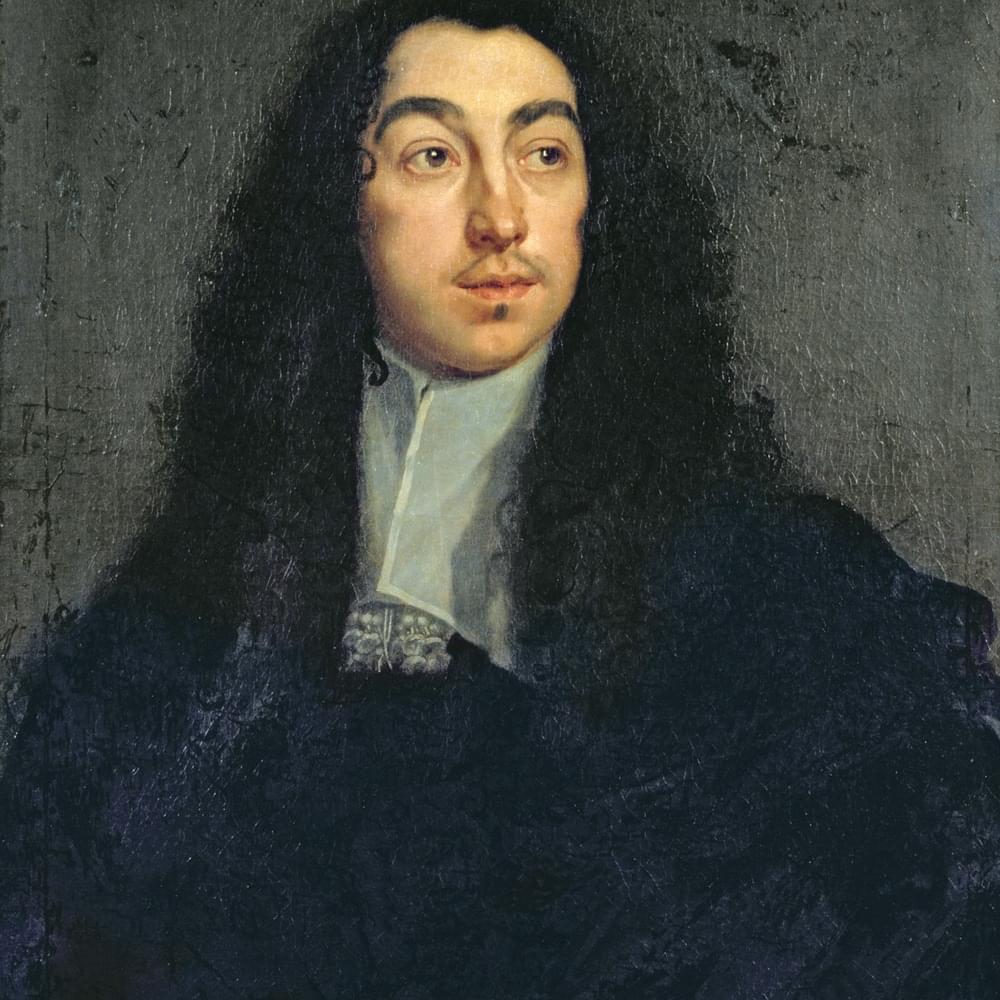
 View Artist