Song Meaning
The lyrics paint a vivid picture of a speaker yearning for elaborate, joyful celebrations: parades, masquerades, and carnivals. Yet, beneath this festive imagery lies a poignant plea for a singular, intimate moment. The dominant emotion is a bittersweet urgency, a desire to experience intense joy before an inevitable end.
This tension arises from the contrast between the grand, public spectacles the speaker desires—like a "grande parade" or "carnaval à Bornéo"—and the deeply personal, almost desperate wish for "Nous deux." The repeated phrase "encore une fois seulement" (only one more time) immediately introduces a sense of limitation and finality. It suggests this is a last chance for connection amidst the desired extravagance, a fleeting moment to be seized.
The central metaphor, "Un tour de manège" (a carousel ride), perfectly encapsulates this fleeting desire. A carousel offers brief, circular joy, a temporary escape from reality, much like the "feux de joie avant qu'il neige" (bonfires before it snows) and "De toi et moi avant l'hiver" (of you and me before winter). These seasonal images powerfully underscore the impending end, transforming the festive lights and music into a desperate attempt to stave off the cold and darkness.
The insistent repetition of "Je veux" (I want) throughout the verses, coupled with the recurring plea for "encore une fois seulement," builds a powerful sense of longing and a race against time. The lyrics effectively use vivid, sensory details of celebration to highlight the preciousness of the desired connection, making the impending "hiver" feel all the more stark and heartbreaking. It's this desperate grasp for a final, vibrant memory that truly resonates, leaving the listener with a sense of poignant beauty.
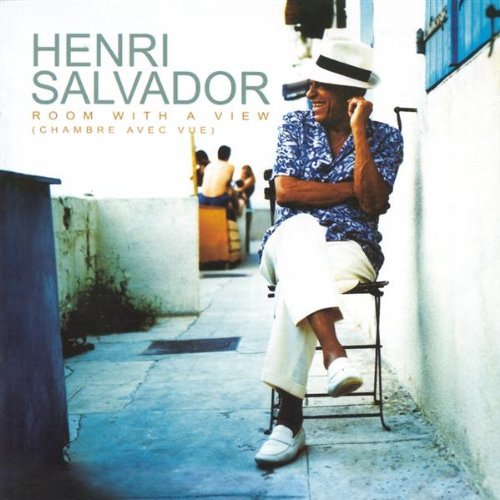
 View Artist