Song Meaning
These lyrics immediately subvert a common adage, declaring "Le travail c'est la santé" (Work is health) only to cynically add that "Rien faire c'est la conserver" (Doing nothing is preserving it). It's a sharp, satirical jab at the relentless grind of modern life. The dominant emotional tone is one of weary disillusionment, coupled with a defiant, anti-establishment spirit.
The lyrics paint a vivid picture of people caught in a futile cycle. They "courent au grand galop" (run at a gallop) to their jobs, not for joy, but out of obligation. The bitter irony is highlighted when they "bossent onze mois pour les vacances" (work eleven months for vacation) only to be "crevés quand elles commencent" (exhausted when they begin), rendering their hard-won leisure almost pointless.
A particularly striking element is the narrator's personal stance, which shifts from observing the masses to a bold declaration. While others "courent sans cesse après le travail" (constantly chase after work), the speaker asserts, "Moi le travail me court après / Il n'est pas près de me rattraper." This defiant, almost playful refusal to engage in the rat race offers a powerful counter-narrative to the pervasive work ethic.
Ultimately, the lyrics are effective because they tap into a widespread frustration with overwork and the hollow promise of material comfort. The final lines, where people "travaillent comme des sauvages" (work like savages) for comfort only to be "morts" (dead) once they have it all, deliver a stark, existential punch. The repeated, ironic refrain hammers home the message: the pursuit of work often comes at the cost of life itself.
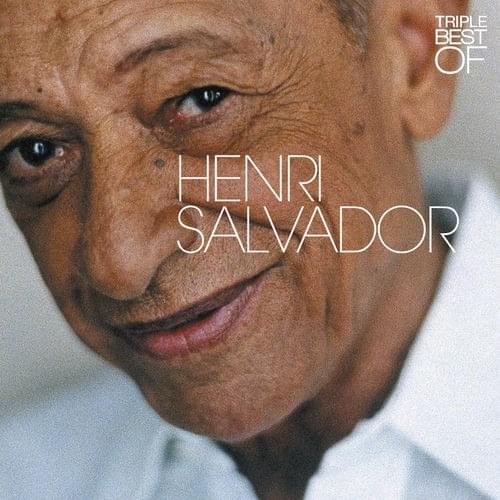
 View Artist