Song Meaning
The narrator grapples with self-imposed limitations and past mistakes, framing them as a betrayal by "worst friends" and a "worst dream." The opening lines immediately establish a tone of self-criticism, suggesting that even minor perceived flaws in others, like a dislike for "drum fills," reflect the narrator's own "stuck up expectations." This sets the stage for a deep-seated desire to escape a negative pattern, a feeling underscored by the repeated plea, "I never wanna be that way again."
The core tension arises from the narrator's internal struggle with "addictions" that have led them "to the brink." This brink isn't just a physical place but a mental and emotional precipice, a consequence of trying to force complex realities into "little boxes." The inability to "know what I need" highlights a profound disconnect from self, a pattern of self-sabotage that the narrator is desperately trying to break free from.
The most striking aspect of the writing is the way it externalizes internal conflict. The "worst friends" and "worst dream" are not external antagonists but projections of the narrator's own failings. The image of "stumblin' home" and the admission of not remembering anything point to a blackout state, a loss of control. The line "A gentle push would not have sufficed" powerfully conveys the magnitude of the internal crisis, suggesting that only a drastic intervention could have altered the trajectory.
Ultimately, these lyrics resonate because they articulate the exhausting battle against one's own worst impulses. The narrator's self-awareness, though painful, is also the seed of hope. The final, almost defiant, "Oh boy you're gonna get it right" suggests a flicker of determination to finally confront and overcome these internal demons, even if the path forward remains uncertain.
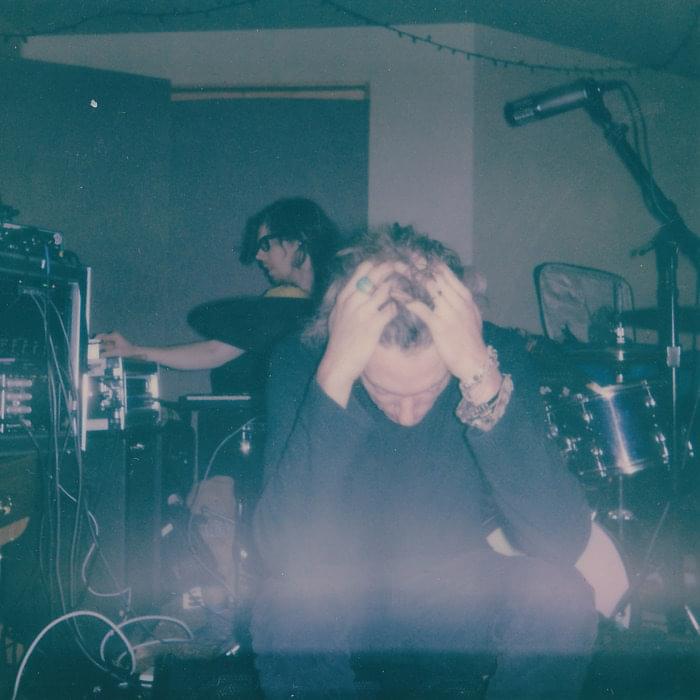
 View Artist