Song Meaning
The narrator grapples with their own perceived failings, directly admitting, "I'm a taker / I'm a faker." This self-awareness fuels a desperate plea to avoid confronting the ultimate destination of those who stray, repeatedly stating, "Don't wanna know / Where the sinners go." The lyrics paint a picture of someone terrified of judgment and the consequences of their actions, seeking to remain willfully ignorant of any potential damnation.
The central tension lies in the conflict between the narrator's confession of sin and their profound fear of divine retribution. They question the very nature of forgiveness, asking, "Is it all true / You forgive us?" This uncertainty amplifies their anxiety, making the idea of where "sinners go" an unbearable thought. The repeated pleas for mercy, like "Mercy, don't struck me a blow," underscore a deep-seated fear of punishment.
The most striking aspect of the craft is the insistent repetition of "Don't wanna know / Where the sinners go." This refrain functions as a shield, an attempt to ward off a terrifying reality. The shift from direct address in "Can you hear me / Do you know me" to internal, possibly hallucinatory, sounds in "summinin' in my ears only?" suggests a mind unraveling under the weight of its own guilt and fear. This descent into a more isolated, internal struggle highlights the personal nature of their dread.
Ultimately, the effectiveness of these lyrics stems from their raw portrayal of existential dread and the human impulse to avoid uncomfortable truths about oneself and the afterlife. The narrator's vulnerability, coupled with the stark, almost childlike repetition of their fear, creates a powerful sense of unease. It’s the sound of someone on the brink, desperately trying to outrun their own conscience and the potential judgment that awaits.
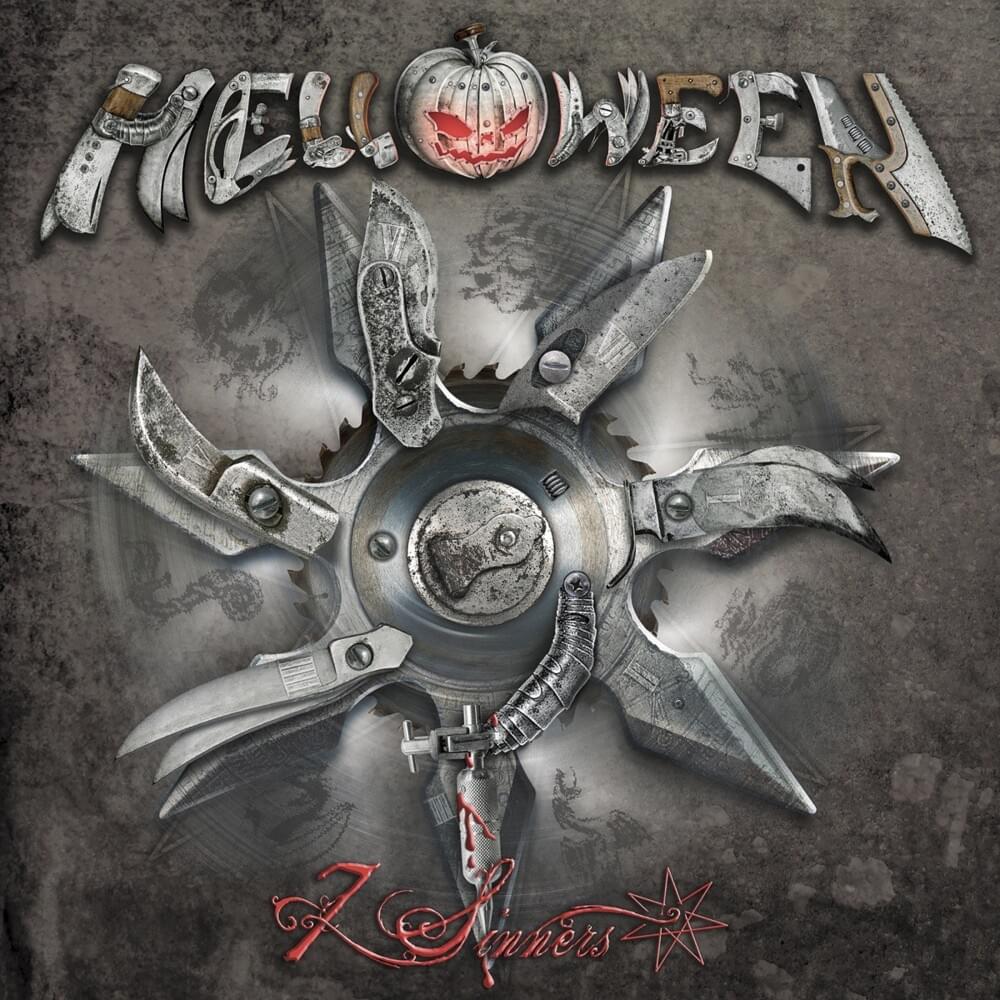
 View Artist