Song Meaning
The lyrics present a direct, almost confrontational address to a figure imagined as "Mrs. God," questioning her authority and the consequences of her actions. The opening lines immediately establish a tone of disbelief and accusation, as if the narrator has just uncovered a hidden truth about the divine. The narrator wonders if this "Mrs. God" is ready to "confess" and suggests she should "free the masculine world," implying a patriarchal structure that has perhaps been imposed or maintained by this female divine entity. The imagery shifts to a powerful, almost menacing feminine archetype: "One dressed to kill / Walk-on-high-heel-bride," which the lyrics propose as an explanation for male "stumbling."
The central tension lies in the narrator's perception of being "deceived" by this "Mrs. God." There's a bitter accusation that this divine figure has actively caused suffering, asking, "All that shit you've done to me?" The narrator expresses regret that they weren't left "blind" to her influence, suggesting that awareness has only brought pain. This sentiment is amplified by the repeated question, "Laughing at us is not fair," painting Mrs. God as a detached, perhaps cruel, observer of human struggles.
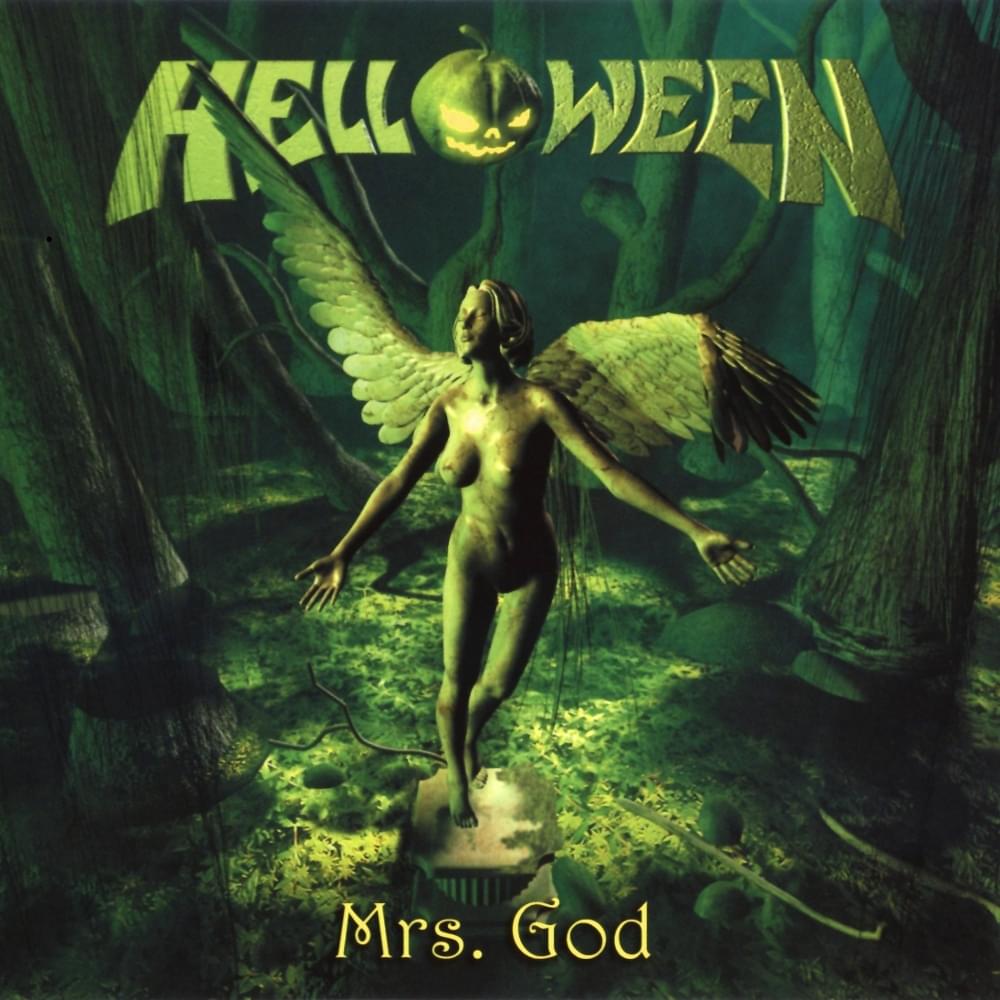
A striking piece of craft is the juxtaposition of traditional divine imagery with a modern, almost punk-rock attitude. The idea of "God had always had a beard" is directly challenged by the concept of "Mrs. God," particularly one who is "dressed to kill." This subversion of patriarchal religious iconography creates a potent, ironic critique. The repeated, almost chant-like questioning of "Mrs. God, are you there?" and "can you see" builds a sense of desperate, unresolved inquiry, emphasizing the narrator's feeling of being wronged and unheard.
Ultimately, the effectiveness of these lyrics stems from their bold, unflinching directness and the raw, almost punk-rock anger they convey. By personifying a divine female figure as the source of perceived injustices, the lyrics tap into a primal frustration with perceived cosmic unfairness. The specific, almost mundane framing of the divine as an address or a confession, combined with the visceral language of being "deceived" and having "shit done" to them, makes the abstract concept of divine responsibility feel intensely personal and immediate.
 View Artist