Song Meaning
The lyrics paint a stark picture of emotional devastation, beginning with a disorienting awakening into a bleak reality. The imagery of "thunder" and "rain" sets a somber mood, immediately followed by the narrator's "aching mind" and the sense of emerging from a dream only to step "into the shadows." This suggests a profound disconnect between a fleeting moment of perceived "brightness" and the persistent gloom that defines the narrator's state. The feeling is one of being trapped in a cycle of despair, where hope is transient and the prevailing atmosphere is one of internal storm.
The central conflict appears to be a desperate struggle against a recurring sense of failure and emotional death, possibly tied to a relationship. The repeated question, "Why must I die one more time if I try?" highlights a deep-seated frustration with repeated setbacks. The narrator's pleas "way down I pray" are met with "skies turn to grey," indicating a lack of divine or external intervention. This cycle of trying and failing, of praying and receiving only gloom, fuels the core tension, making the narrator question the duration of their suffering and their ability to continue fighting.
The most striking element is the raw, repeated declaration, "I'm fallen to pieces." This phrase acts as both a confession and a lament, encapsulating the narrator's fractured state. It’s amplified by the contrasting actions of running "high and low" and the heart crying "for you," suggesting a desperate, perhaps futile, search for solace or resolution. The later lines, "I died times ago / Now I rise alone," further emphasize this sense of complete disintegration and solitary survival, stripping away any remaining pretense of wholeness.
This lyrical construction is effective because it externalizes an internal collapse with visceral simplicity. The repetition of "fallen to pieces" hammers home the emotional weight, while the stark, elemental imagery grounds the abstract pain in a tangible, oppressive atmosphere. The shift from pleading to a resigned declaration of being "alone" creates a powerful emotional arc, leaving the listener with a profound sense of the narrator's brokenness and the quiet, solitary endurance that follows.
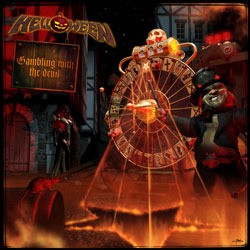
 View Artist