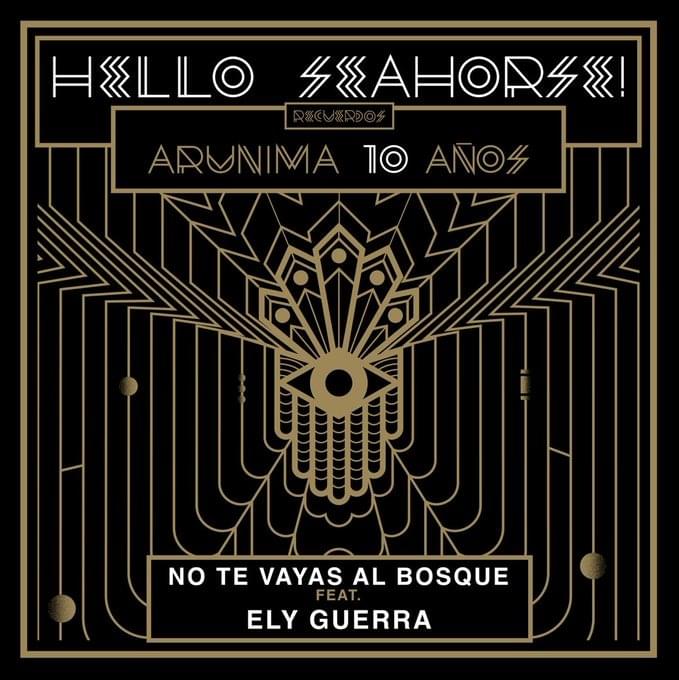
Song Meaning
The lyrics paint a stark picture of desperate codependency, where the speaker cannot fathom existence without the other person. The opening plea, "No te vayas al bosque sin mí," immediately establishes a tone of intense fear and vulnerability. This isn't just about separation; it's about a fear of utter dissolution, as the speaker states, "Mi cuerpo y yo moribundos aquí." The forest, a common metaphor for the unknown or a place of escape, becomes a terrifying prospect if faced alone.
The central tension lies in the speaker's overwhelming dread of solitude, which is so profound it borders on a death wish. The repeated, chilling refrain from Ely Guerra, "Y si decides irte, llévame a la muerte," underscores this. It's a plea not to be left behind, even if it means embracing oblivion. The narrator's suffering is palpable, described as a persistent "dolor en el pecho" and enveloping "sombras." Sleep is presented as the only refuge from this agony, highlighting the unbearable nature of their waking reality.
The most striking aspect of the craft is the stark, almost primal simplicity of the language, which amplifies the raw emotional weight. The repetition of "Para no sufrir" acts as a mantra, a desperate attempt to find solace or escape the pain of absence. The image of "ríos escurren, no les veo el fin" powerfully conveys a sense of endless, overwhelming sorrow. The final plea, "No te vayas al bosque, sin mí...", trails off, leaving the listener with the lingering echo of profound fear and an unresolved, desperate need.
This lyrical construction is effective because it bypasses complex metaphor for direct, gut-wrenching expression. The raw fear of abandonment, coupled with the willingness to embrace death over solitude, creates a potent and unsettling emotional landscape. The interplay between the two voices, particularly Guerra's stark pronouncements, intensifies the feeling of inescapable despair and the desperate clinging to another for survival.