Song Meaning
This is a snapshot of pure, unadulterated present-moment bliss. The narrator is perfectly content, choosing to luxuriate in the warmth of the sun and the comfort of a familiar chair rather than succumbing to the pressure of obligations. The opening lines establish a scene of deliberate idleness, a conscious opting-out of the usual hustle. The phrase "Heldigvis æ're upphaldsvær og sol" (Luckily, there's a break in the weather and sun) immediately sets a tone of fortunate, almost accidental, peace.
The core tension here isn't external conflict, but an internal one: the awareness of time passing and life's brevity versus the overwhelming desire to simply *be*. The narrator acknowledges "Mange ting eg skulde gjort" (Many things I should have done) and "eit liv æ nokså kort" (a life is quite short), but this awareness is immediately dismissed by the sheer pleasure of the current sensation. The sun is "brennande god" (burning good), a powerful, almost physical descriptor that justifies the present indulgence.
The lyrics masterfully employ a sense of sensory detail and a rejection of external noise. The "Mas og kjas" (Hassle and clamor) are explicitly shut out, with the narrator's focus narrowed to tangible comforts: "den gamle hatten" (the old hat), "ei varm verandasol" (a warm veranda sun), and "ein sliten lenestol" (a worn armchair). This creates a strong contrast between the chaotic outside world and the serene, self-contained sanctuary of the veranda.
What makes these lyrics resonate is their unapologetic embrace of simple, immediate gratification. The narrator's dream of "Summarvind i eit snøbleikt hår" (Summer wind in snow-white hair) suggests this moment is a long-awaited respite, a reward for enduring hardship. The final lines, "Og knapt nok ha ein ting å tenkji på" (And hardly have a thing to think about), perfectly capture the profound peace found in mental quietude, a state actively sought and deeply cherished.
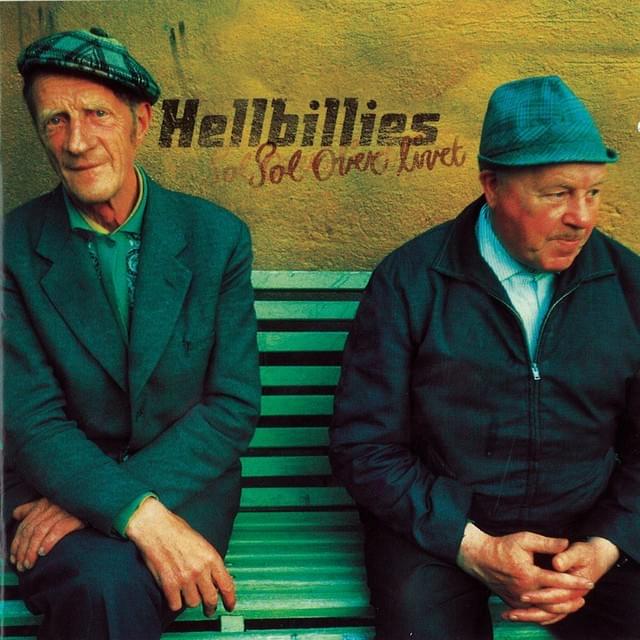
 View Artist