Song Meaning
This song paints a picture of a love so profound that its absence renders everything hollow. The narrator imagines their love as a perfect melody, a harmonious tune that would naturally arise if only they could capture it in song. This ideal harmony is directly linked to the presence of the beloved, described as a kiss away and reflected in their eyes with tenderness. However, this idyllic vision is immediately complicated by the phrase "Returned between the lies," hinting at a painful undercurrent beneath the surface of this devotion.
The core tension lies in the stark contrast between the completeness the narrator feels with their love and the utter desolation experienced without them. The repeated refrain, "Without you," functions as a powerful litany of loss, employing a series of striking metaphors to convey this emptiness. Each image – a day without the sun, love losing its spell, a ship without a sail – emphasizes a fundamental lack of purpose and vitality. These aren't just minor inconveniences; they represent the very essence of what makes life meaningful being stripped away.
The lyrics masterfully use repetition and a series of evocative, almost elemental, comparisons to hammer home the narrator's dependency. The recurring "Without you" chorus acts as an anchor, grounding the listener in the narrator's profound sense of loss. The imagery of highways always leading to the beloved suggests an inescapable pull, a destiny intertwined. The narrator's plea, "Won't you please think of me / When the road it is too long," reveals a vulnerability, a desire for connection even when physically apart, underscoring that their well-being is tied to this person's awareness.
Ultimately, the song's effectiveness stems from its directness and the raw emotional weight of its comparisons. It bypasses complex narratives to focus on the visceral feeling of absence. By likening their existence to fundamental elements of nature and navigation – sun, spells, sails – the lyrics articulate a deep-seated need that feels both personal and universally understood. The simple, declarative statements about what is lost without the beloved resonate because they speak to a core human experience of love's power to define our world.
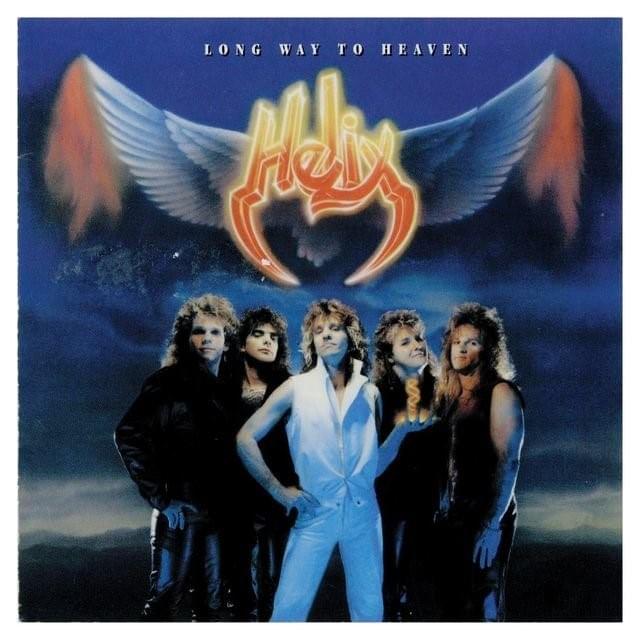
 View Artist