Song Meaning
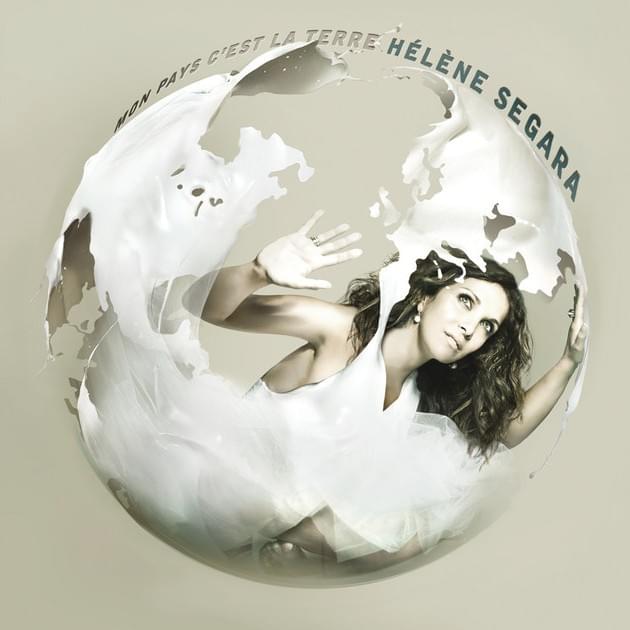
Hélène Ségara's "En Aranjuez Con Tu Amor (Mon Pays C'est La Terre)" isn't simply a song; it's a declaration of global citizenship, a borderless anthem fueled by the unifying power of music. The lyrics, sung in French, transcend geographical boundaries, suggesting that 'my country is the earth.' This isn't naive idealism, but rather a sophisticated understanding of shared human experience. The song meaning resides in the yearning for connection, achieved through melody and rhythm, across cultural divides. It acknowledges the inherent human desire for belonging, but locates that belonging not in a specific nation, but in the collective human spirit expressed through art. Ségara subtly critiques the limitations of national identity, offering music as a universal language capable of 'bringing souls together.'
The recurring motif of 'mon pays' (my country) is strategically deployed. It initially appears to invoke traditional patriotism, but quickly subverts this expectation. Ségara sings of following paths 'without knowing,' suggesting an almost unconscious embrace of global interconnectedness. The 'heart full of folklore' implies an appreciation for diverse cultural traditions, not a singular national narrative. The lyrics underscore the idea that music 'has no borders,' a sentiment that resonates deeply in an increasingly fractured world. The song subtly promotes empathy and understanding by suggesting that shared artistic experiences can 'make us united and in solidarity.'
Ultimately, "En Aranjuez Con Tu Amor (Mon Pays C'est La Terre)" functions as an invitation. It asks the listener to consider the possibility of a world where shared humanity trumps national allegiance. Ségara's star 'leads me randomly,' implying that her journey, both literal and artistic, is guided by an openness to new experiences and connections. The repetition of 'If the Earth were my only country' serves as a powerful rhetorical device, prompting reflection on the arbitrary nature of borders and the potential for global harmony. The song subtly suggests that true belonging lies not in a place, but in the shared human experience of music and art.
 View Artist