Song Meaning
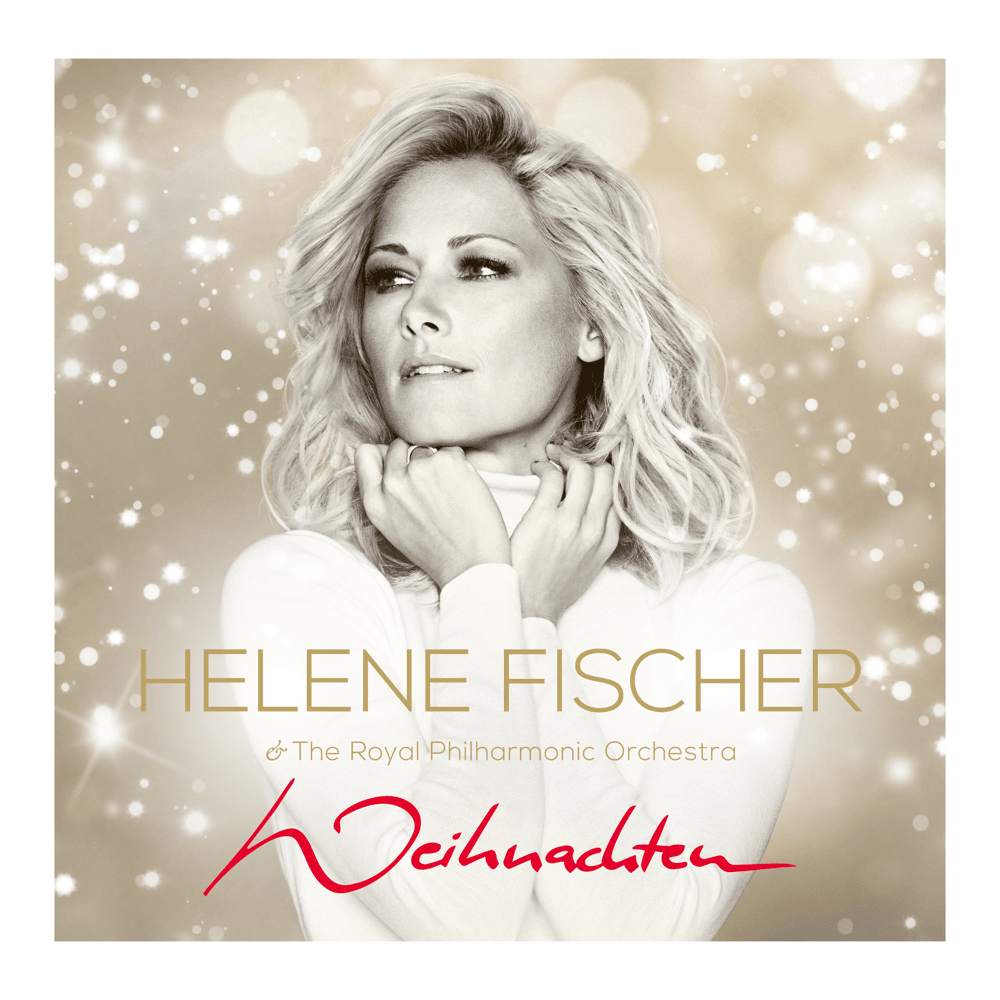
Helene Fischer's rendition of "Tochter Zion" isn't merely a Christmas carol; it's a concentrated burst of collective hope and historical yearning. Stripped of its specific religious context, the song, at its core, embodies the human need for a savior, a leader, a figure who can usher in an era of peace. The repeated calls of "Tochter Zion, freue dich" (Daughter Zion, rejoice) and "Jauchze laut, Jerusalem" (Shout aloud, Jerusalem) aren't just festive pronouncements. They are psychological affirmations, declarations of faith designed to uplift and unite. The song taps into our inherent desire for order and justice, for someone to alleviate the burdens of the world.
The lyrics, simple yet potent, paint a picture of a triumphant arrival: "Sieh, dein König kommt zu dir" (Behold, your King comes to you). This isn't just about a monarch; it's about the promise of resolution, the potential for a transformed reality. The repeated invocation of "Hosianna, Davids Sohn" (Hosanna, son of David) reinforces this idea, grounding the hope in a lineage, a history, a promise fulfilled. The song creates a sense of anticipation and catharsis, resonating with the deep-seated human longing for a benevolent authority.
Ultimately, "Tochter Zion," as performed by Helene Fischer, operates on multiple levels. It's a religious hymn, yes, but it's also a powerful exploration of human psychology. It is a sonic embodiment of our enduring need for leadership, peace, and the comforting belief that a better future is not only possible but inevitable. The song's enduring appeal lies not just in its melody, but in its ability to tap into our shared desire for a world redeemed.
 View Artist