Song Meaning
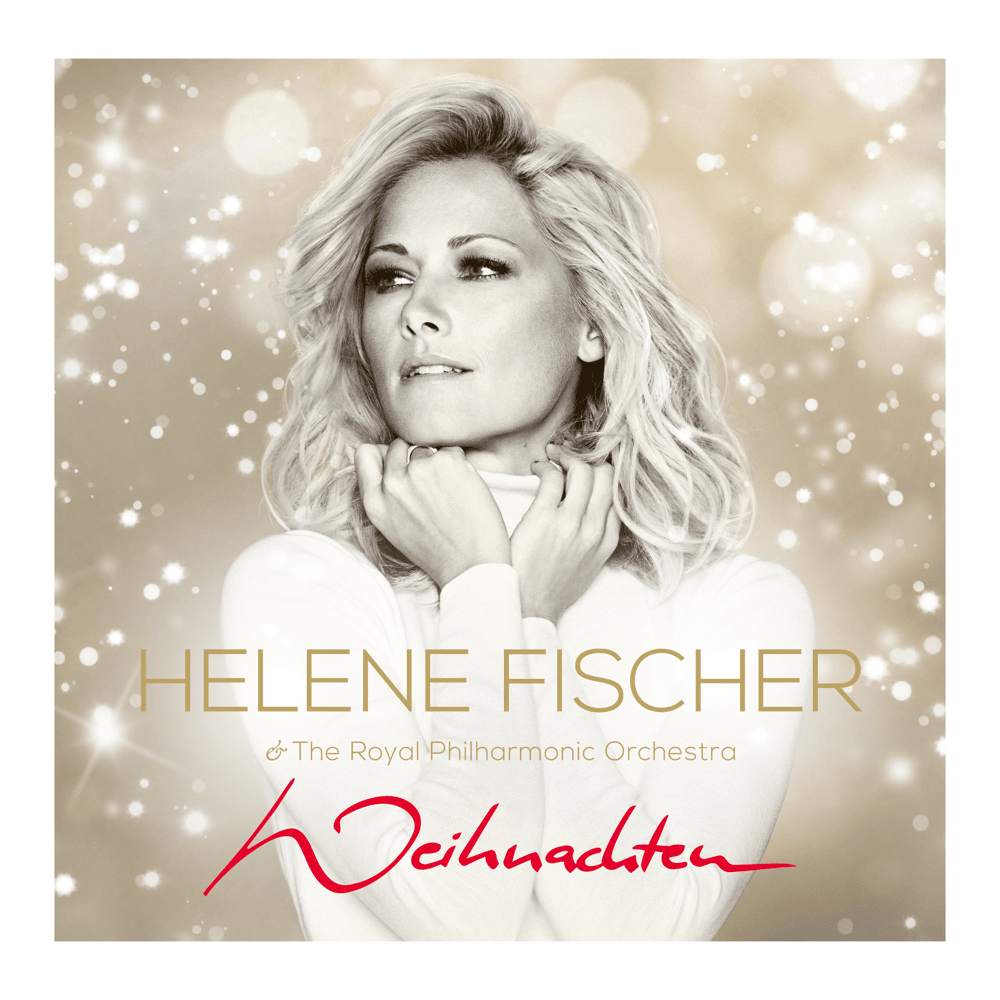
Helene Fischer's rendition of "Schneeflöckchen, Weißröckchen" isn't just a children's tune; it's a deceptively layered exploration of longing, protection, and cyclical time. The immediate surface—a simple request for snowflakes to fall—belies a deeper yearning for the security and peace associated with childhood. The lyrics paint a picture of a distant, almost ethereal "Schneeflöckchen" residing in the clouds, highlighting a yearning for something beyond the immediate, tangible world. This longing, common in Fischer's broader discography, is here distilled to its most innocent form. The simple question, "Wann kommst du geschneit?" (When will you come down as snow?) becomes a potent expression of hope and anticipation. It is a yearning for simpler times.
Beyond the immediate request, the lyrics delve into themes of protection and dormancy. The lines about covering the "Blümelein" (little flowers) so they can sleep safely in "himmlischer Ruh" (heavenly peace) suggest a desire to shield innocence from the harsh realities of the world. This protective impulse, woven into the fabric of the song, speaks to a fundamental human need to safeguard vulnerability. The imagery of covering and concealment implies a desire to preserve purity and prevent harm, reflecting a psychological need for safety and security, particularly during uncertain times.
Ultimately, "Schneeflöckchen, Weißröckchen," especially as interpreted by Helene Fischer, transcends its simple melody. It becomes a meditation on the cyclical nature of seasons and emotions. The promise of building a snowman and throwing a ball after the snowfall symbolizes the return of joy and playfulness after a period of quietude. The song's cyclical structure, with its repeated verses and refrains, reinforces this sense of renewal and the enduring power of hope. It is a reminder that even in the darkest of winters, the promise of spring—and the return of joy—remains.
 View Artist