Song Meaning
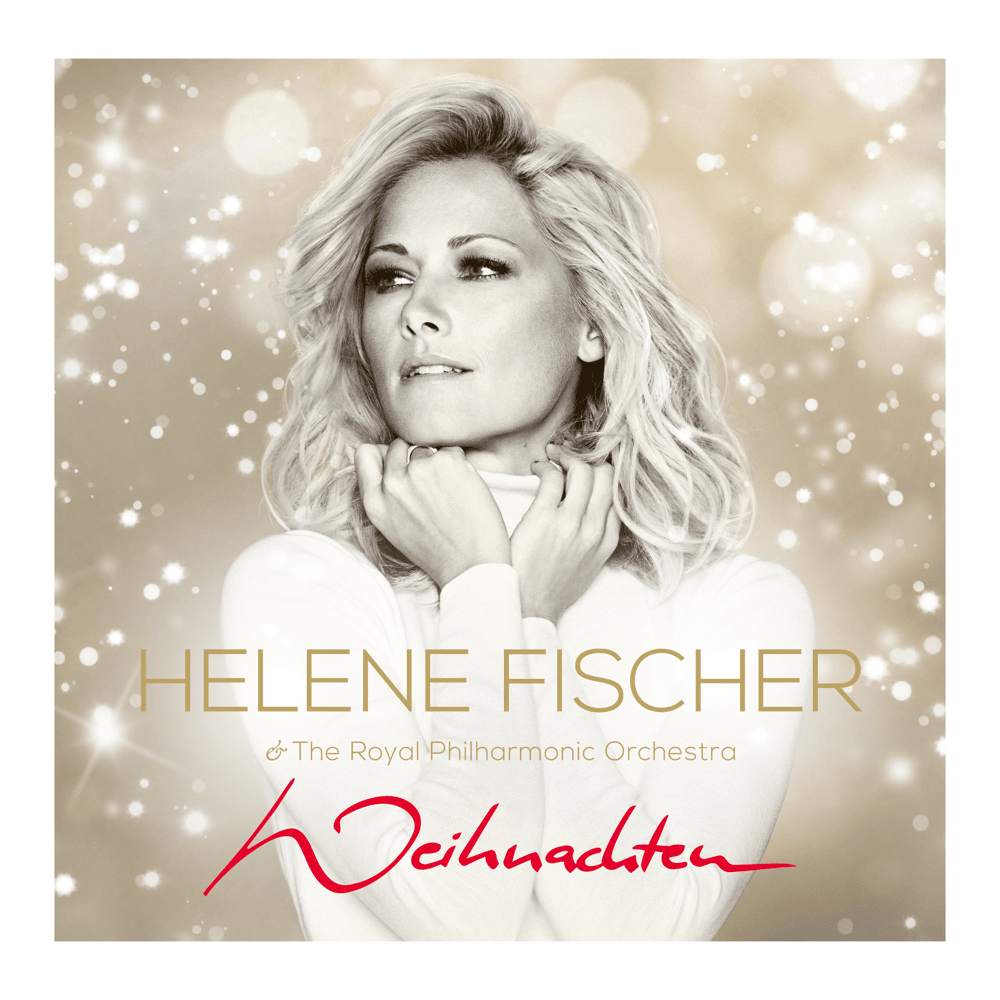
Helene Fischer's rendition of "Am Weihnachtsbaum die Lichter brennen" isn't just a Christmas carol; it's a carefully constructed exercise in collective nostalgia and the yearning for uncomplicated joy. The lyrics paint a scene of archetypal holiday bliss: a brightly lit Christmas tree, children's sparkling eyes, and the serene gaze of elders looking heavenward. But beneath the surface of this idyllic tableau lies a deeper exploration of faith, tradition, and the ephemeral nature of happiness. The recurring motif of the Christmas tree, shining 'festlich, lieb und mild' (festive, dear and mild), serves as a focal point for communal hope – a 'stilles Bild' (silent image) of unwavering faith in the face of life's uncertainties. It's a carefully curated moment of shared belief, designed to evoke a sense of belonging and emotional safety.
The introduction of angels as messengers adds a layer of theological weight to the scene. These celestial beings, unseen by mortal eyes, arrive to bless those who are loving, faithful, and pious. This conditional blessing introduces a subtle element of moral examination. The song gently suggests that the warmth and joy of Christmas are not simply passively received but are earned through virtuous living. It’s a psychological contract, promising continued happiness to those who adhere to certain ethical principles. The fleeting presence of the angels, appearing and disappearing without fanfare, underscores the transient nature of these moments of grace and the importance of cherishing them.
Ultimately, "Am Weihnachtsbaum die Lichter brennen," as performed by Helene Fischer, is a sophisticated appeal to our innate desire for order and meaning within the chaos of existence. By framing holiday cheer as a reward for moral behavior and linking it to enduring symbols of hope, the song transcends mere seasonal sentimentality. It becomes a powerful meditation on the enduring human need for faith, connection, and the promise of continued blessings in a world that often feels devoid of both. It is about creating emotional anchors in a world of rapid change, tapping into the deep psychological comfort derived from shared rituals and beliefs.
 View Artist