Song Meaning
Helena Vondráčková's "Kus nebe" isn't just a song; it's an unapologetic anthem of hope. The lyrics, shimmering with childlike wonder and seasoned optimism, paint a portrait of resilience. Vondráčková taps into the wellspring of childhood memories, referencing "traces of childhood" and "old songs," suggesting a return to innocence as a source of strength. The recurring motif of dreams and faith serves as the emotional bedrock. The phrase "Víru mám a sílu snít" ("I have faith and the strength to dream") isn't a passive wish; it's a declaration of active, willful hope in the face of an ambiguous world. It's an assertion of internal power, a refusal to succumb to cynicism. The song meaning centers on the idea of maintaining a personal "piece of heaven" despite external pressures.
The song's structure reinforces this theme. The verses evoke sensory experiences—the scent of youth, forest paths, and sun-drenched mornings— grounding the abstract concept of hope in tangible, relatable imagery. The mention of "rhymes" and "songs" also suggests a connection between artistic expression and emotional well-being. For Vondráčková, creating and singing is not just a profession but a vital act of self-preservation. The lyrics subtly push against the prevailing cultural narratives of disillusionment. To claim "I feel no evil and I am not a friend of despair" is a bold statement, positioning Vondráčková as an outlier, a champion of positivity in a world often defined by its opposite.
Ultimately, the "Kus nebe" lyrics analysis reveals a deceptively simple message: the power of individual belief. The repeated lines, like a mantra, reinforce the idea that maintaining faith and the capacity to dream are essential for navigating life's challenges. The image of "jumping on rocks" and "not extinguishing what doesn't burn" further emphasizes a spirit of playful defiance and self-reliance. The song doesn't offer a utopian vision; instead, it suggests that heaven is not a destination but a state of mind, a personal reality that can be cultivated and protected. It's a testament to the enduring human need for hope and the strength found in embracing one's inner child.
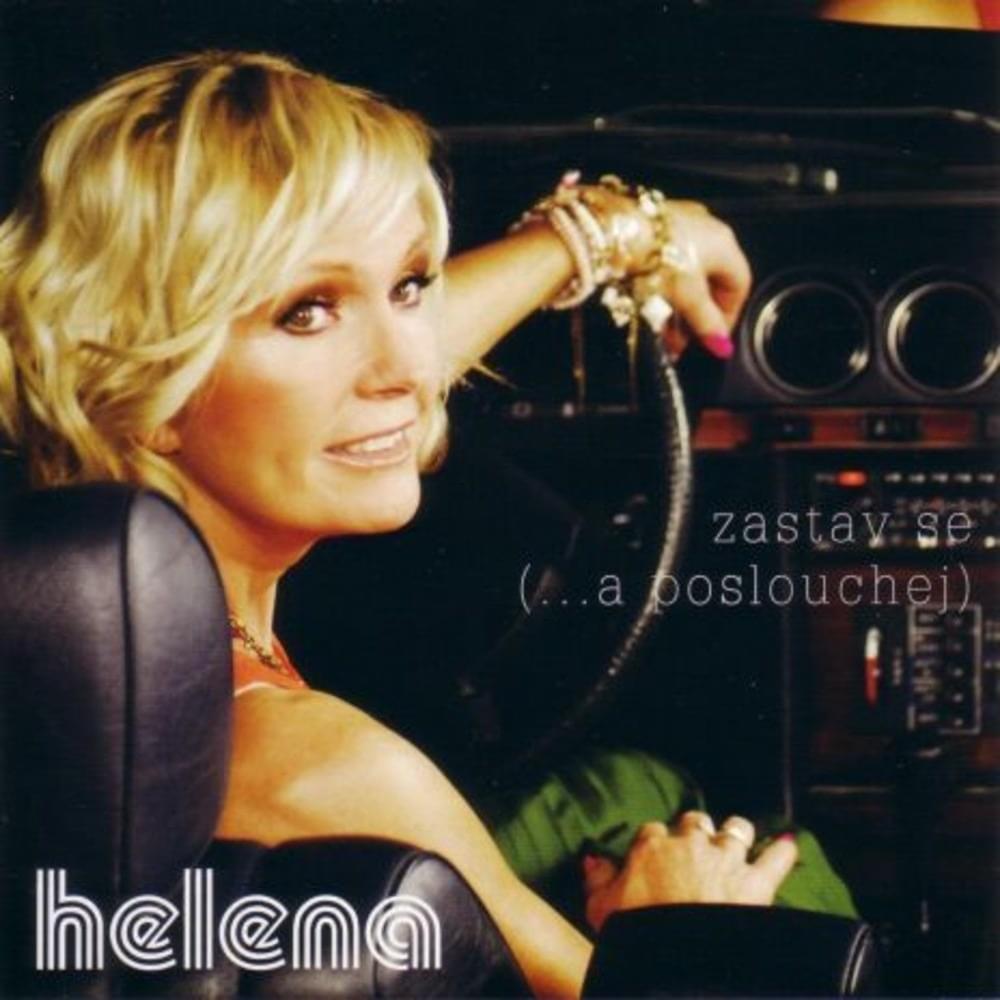
 View Artist