Song Meaning
The lyrics paint a stark picture of someone grappling with a profound need for external validation, specifically from a person referred to as "you." The setting of a "gas station" feels deliberately mundane and public, a place for brief, transactional encounters, which amplifies the narrator's "desperate for attention." This desperation manifests in small, almost performative acts, like tracing their own hand to "be reminded where I end," suggesting a loss of self in the pursuit of another's affection. The repeated phrase "this is no contest" hints at a self-awareness that this pursuit is futile or perhaps even self-destructive.
The core tension lies in the narrator's struggle to define themselves outside of this desired relationship. The desire to "try my face out on strangers" and "latch onto their gaze" reveals a desperate attempt to project an image that might attract the attention they crave. This is directly linked to the chorus's yearning: "How to look more like you?" The narrator seems to be attempting to mirror the object of their affection, losing their own identity in the process and seeking approval through imitation rather than authenticity.
The outro introduces a haunting, existential question about familiarity and change. The narrator asks, "How can everything feel so familiar?" and then grapples with the idea of mourning anything "unfamiliar." This suggests a deep-seated fear of genuine emotional experience or personal growth that deviates from the known, even if the known is painful or unfulfilling. The final lines, "I can't seem to let it in / To change me again," underscore a resistance to transformation, trapping them in a cycle of seeking validation and mourning the loss of self.
Ultimately, these lyrics resonate because they capture the isolating experience of feeling unseen and the difficult, often painful, process of trying to find oneself when that self is deeply intertwined with another's perception. The stark imagery and repetitive questioning create a palpable sense of anxiety and a yearning for connection that feels both deeply personal and universally understood in its struggle for identity.
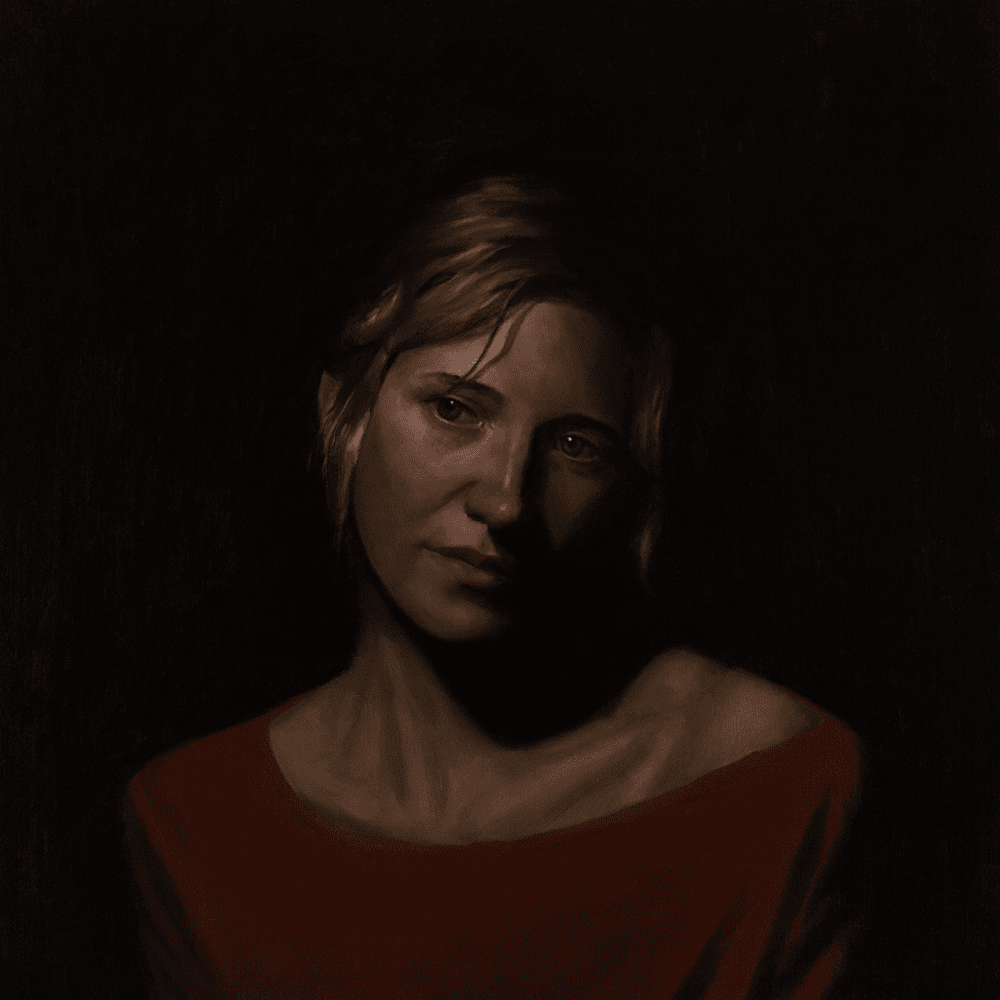
 View Artist