Song Meaning
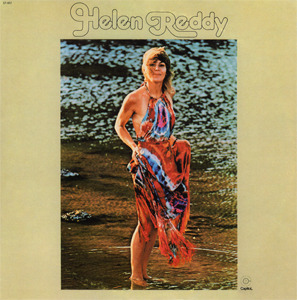
Helen Reddy's rendition of "I Think It's Going to Rain Today" is a masterclass in understated despair, a bleak portrait painted with deceptively simple strokes. The song's genius lies in its chilling juxtaposition: a world where "human kindness is overflowing," yet feels utterly devoid of genuine connection or hope. It's not a celebration of altruism, but rather a lament that even in apparent generosity, something essential is missing. The "broken windows and empty hallways" aren't just physical decay; they're symbolic of a deeper societal erosion, a hollowness that even acts of charity can't fill. The pale, dead moon further amplifies this sense of desolation, casting a pall over any potential for optimism. Reddy's interpretation, imbued with a world-weariness, transforms the weather forecast into a profound statement on the human condition. The rain isn't just coming; it's inevitable.
The "scarecrows dressed in the latest styles / With frozen smiles to chase love away" are particularly cutting. They represent the superficiality of modern life, where appearances matter more than authentic emotion. These figures, meant to ward off negativity, ironically embody the very thing they're trying to prevent: a lack of warmth and genuine affection. The image of kicking a "tin can" down the street highlights a profound sense of alienation and a cynical approach to relationships. The narrator's comment, "That's the way to treat a friend," drips with sarcasm, revealing a deep-seated disillusionment with human connection. The song's power resides in this tension between the outward display of kindness and the inner reality of loneliness and despair.
Ultimately, "I Think It's Going to Rain Today" is a meditation on the failure of empathy. It suggests that even when people are actively trying to be kind, they often fall short, trapped by their own insecurities and anxieties. The overflowing human kindness, therefore, becomes a kind of performance, a societal expectation rather than a genuine expression of compassion. The rain, in this context, symbolizes a cleansing, a necessary downpour to wash away the pretense and reveal the underlying sadness. Helen Reddy's interpretation doesn't offer solutions or platitudes. Instead, it presents a stark and unflinching view of a world where even the best intentions can't always overcome the pervasive sense of loneliness and disconnect.
 View Artist